One boater located, one still missing after canoe overturns in Susquehanna River near Marietta
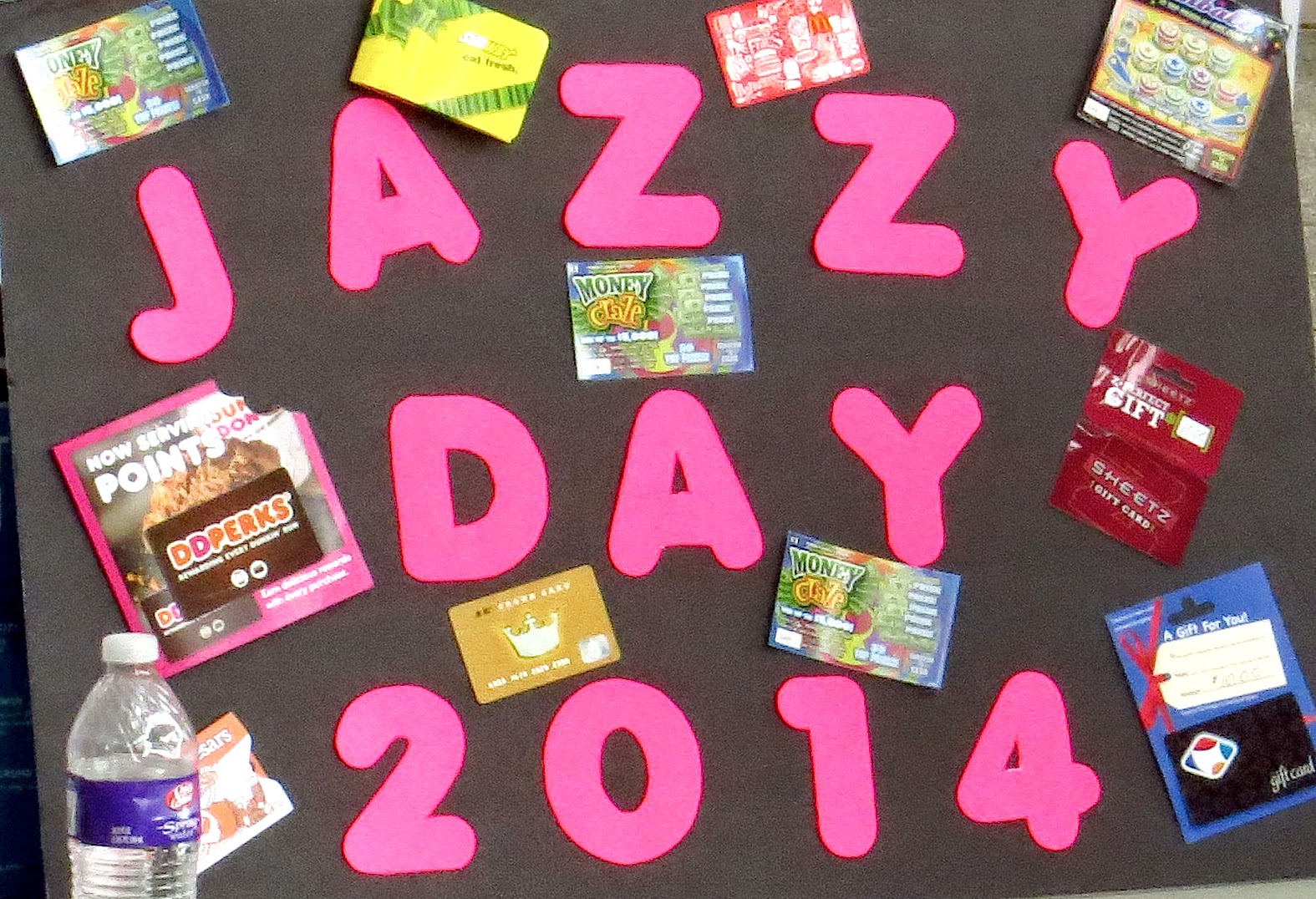
Jazzy's Day is a big hit at Makle Park
![]() |
| Jasmyn “Jazzy” Smith |
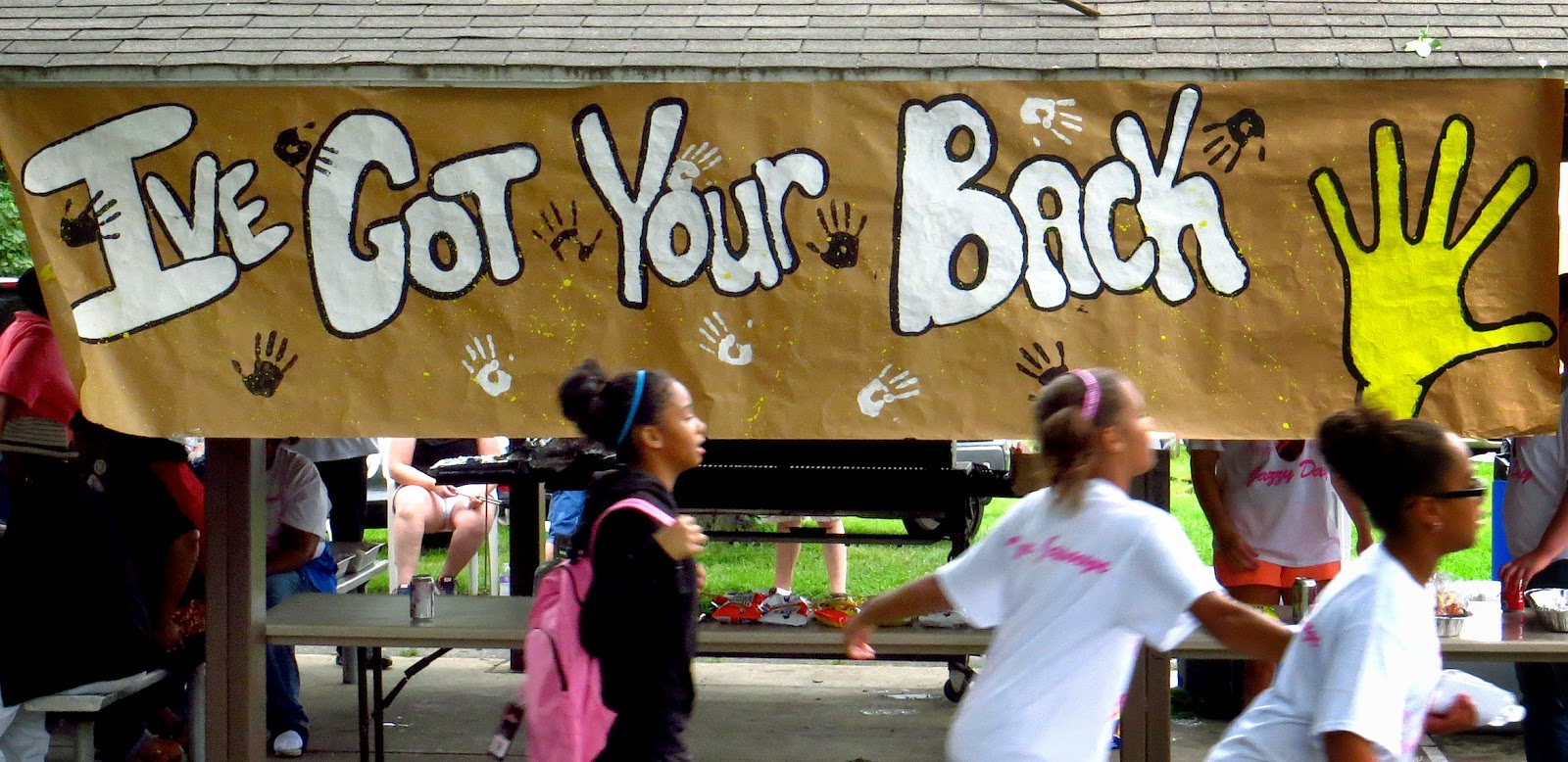
The second annual Jazzy’s Day, a celebration of the life of Jasmyn Smith, was held in Columbia’s Makle Park on Saturday, August 23, with several hundred people attending. Jasmyn, affectionately known as “Jazzy,” passed away in 2012 at age 11. The event was sponsored by Aevidum, a national organization that helps support children and young adults through troubled times. The organization’s philosophy is “I’ve got your back.” Aevidum’s website is HERE.
During the course of the afternoon, about 350 backpacks – out of the 500 available – were given away to local students. Remaining backpacks will be held until next year’s giveaway. Backpacks were collected and then donated to the event by the American Legion and other local organizations. The event also featured music, face painting, a raffle, games, and refreshments. A balloon release in remembrance of Jazzy topped off the day’s activities.
Recently, Park School and Taylor School each received a “Jasmyn’s Buddy Bench,” a place of refuge for students who need help on the playground. More information can be found HERE.
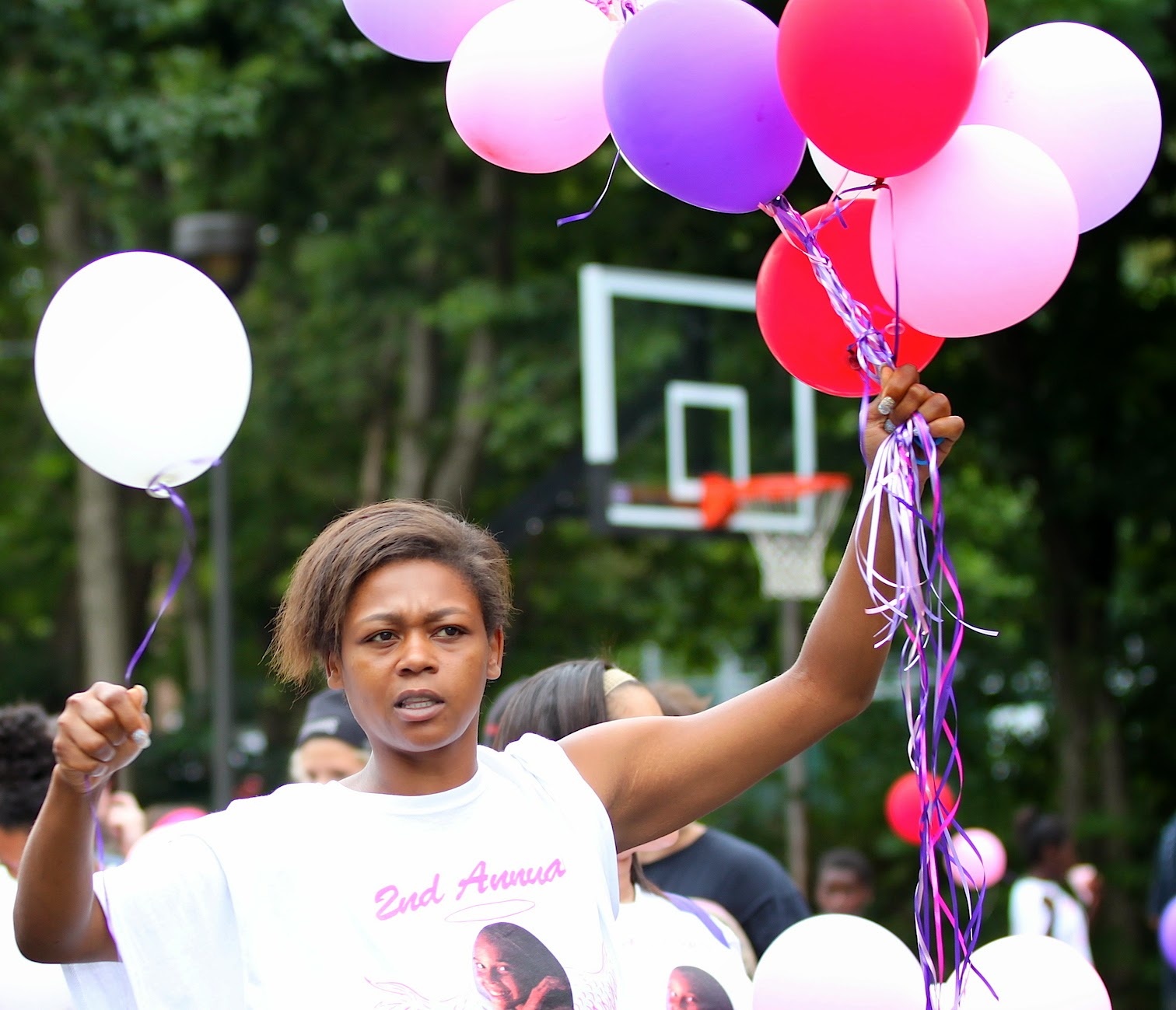
Balloons in Jazzy’s favorite colors were in abundance.
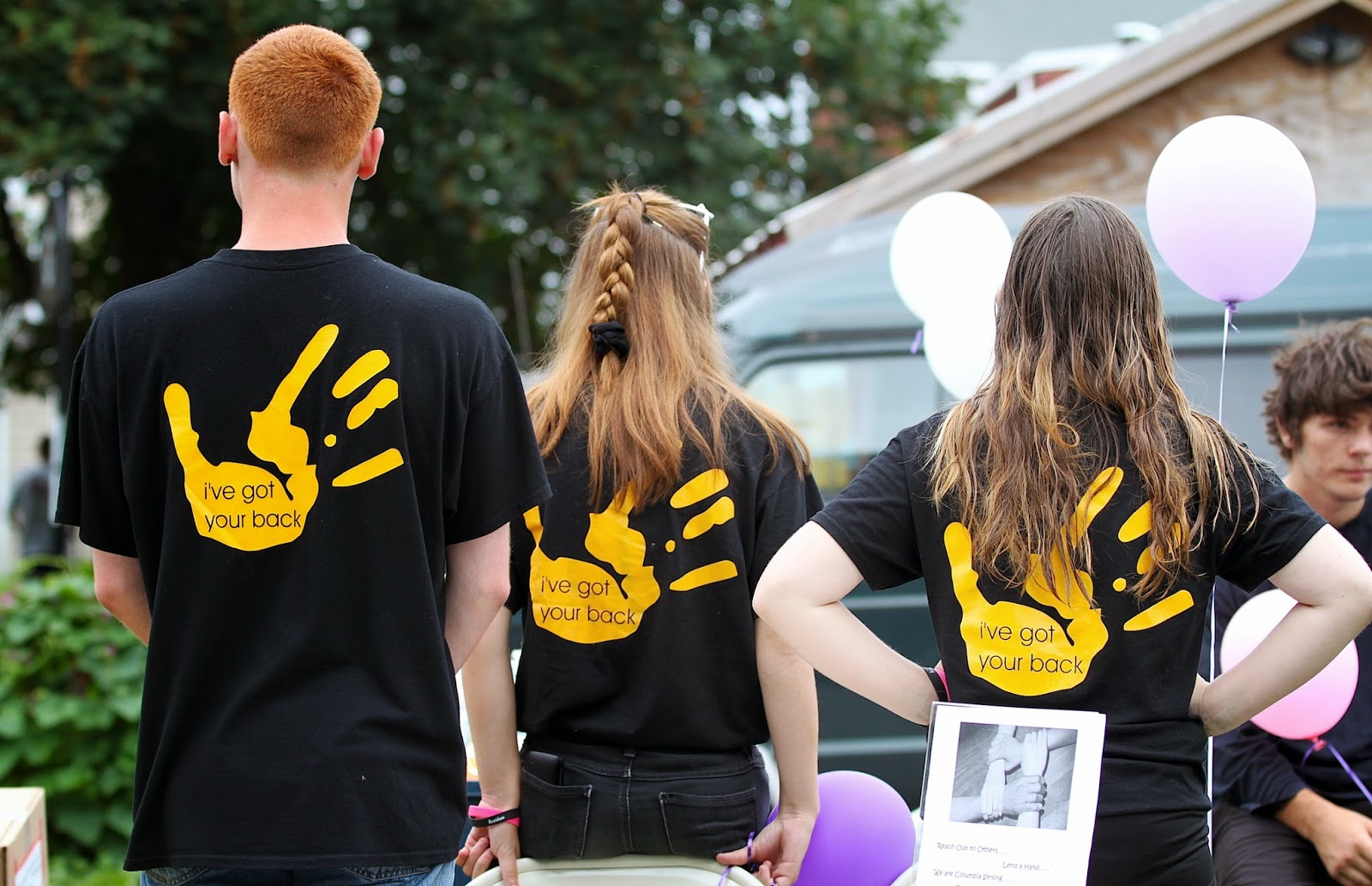
Aevidum’s motto is “I’ve got your back.”
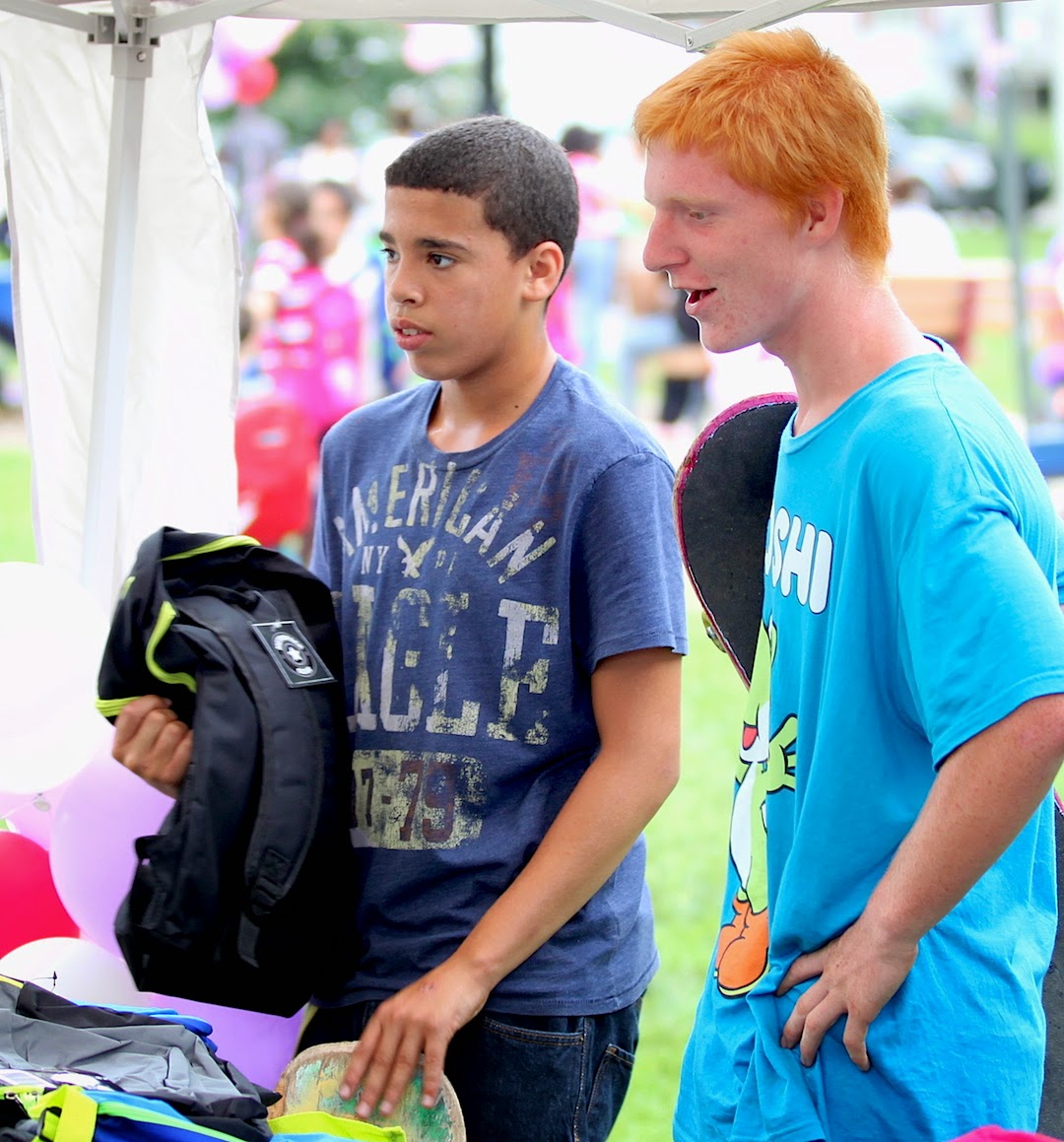
About 350 backpacks were given away . . .
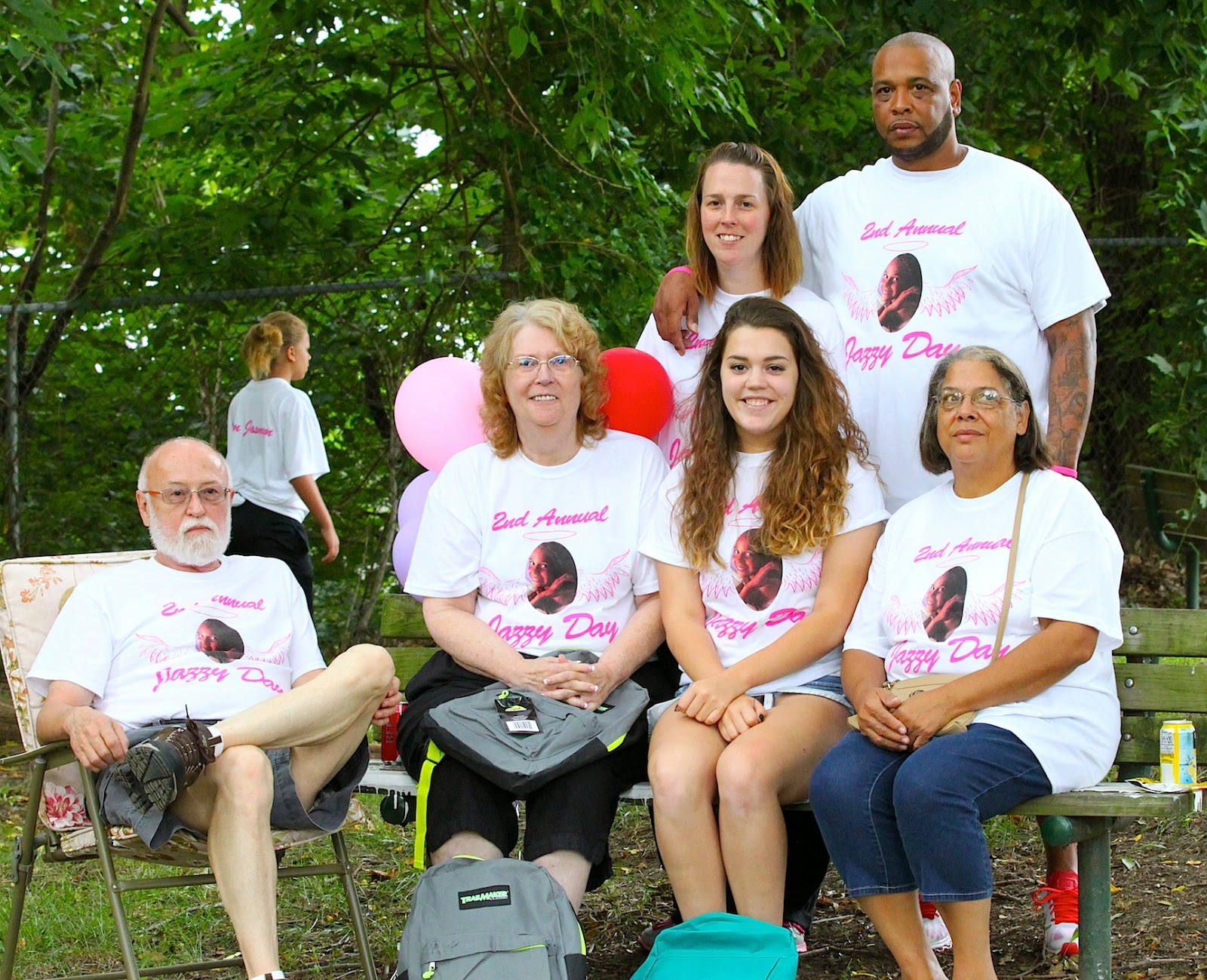
Jazzy’s family (standing): Jazzy’s parents, Stephan and Lindy Smith;
(seated L to R): Larry Phiel (grandfather), Jean Phiel (grandmother), Jailyn Smith (sister), Bonnie Smith (grandmother).
Jazzy’s little sister, Jada
Aevidum members, front and back . . .
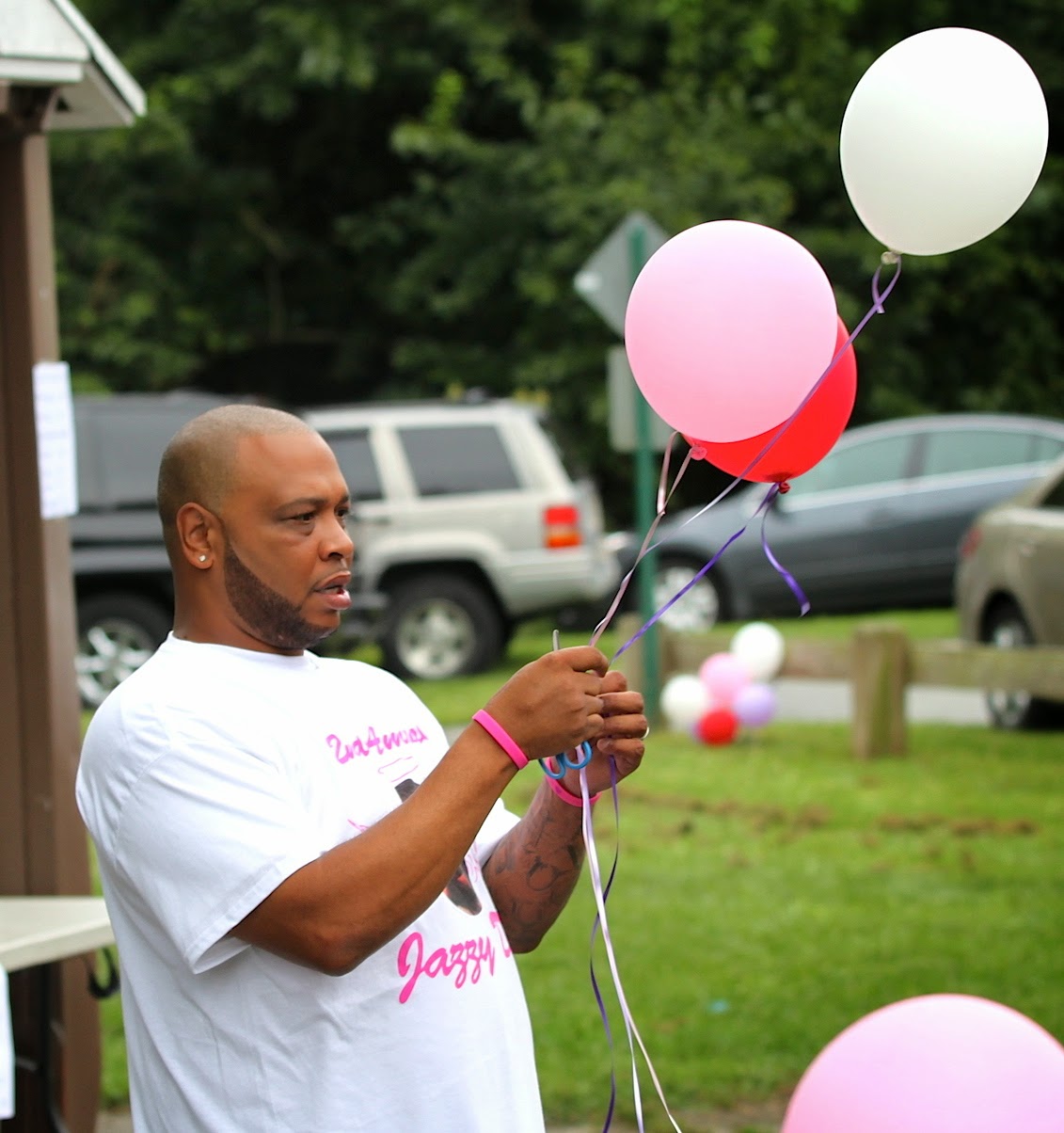
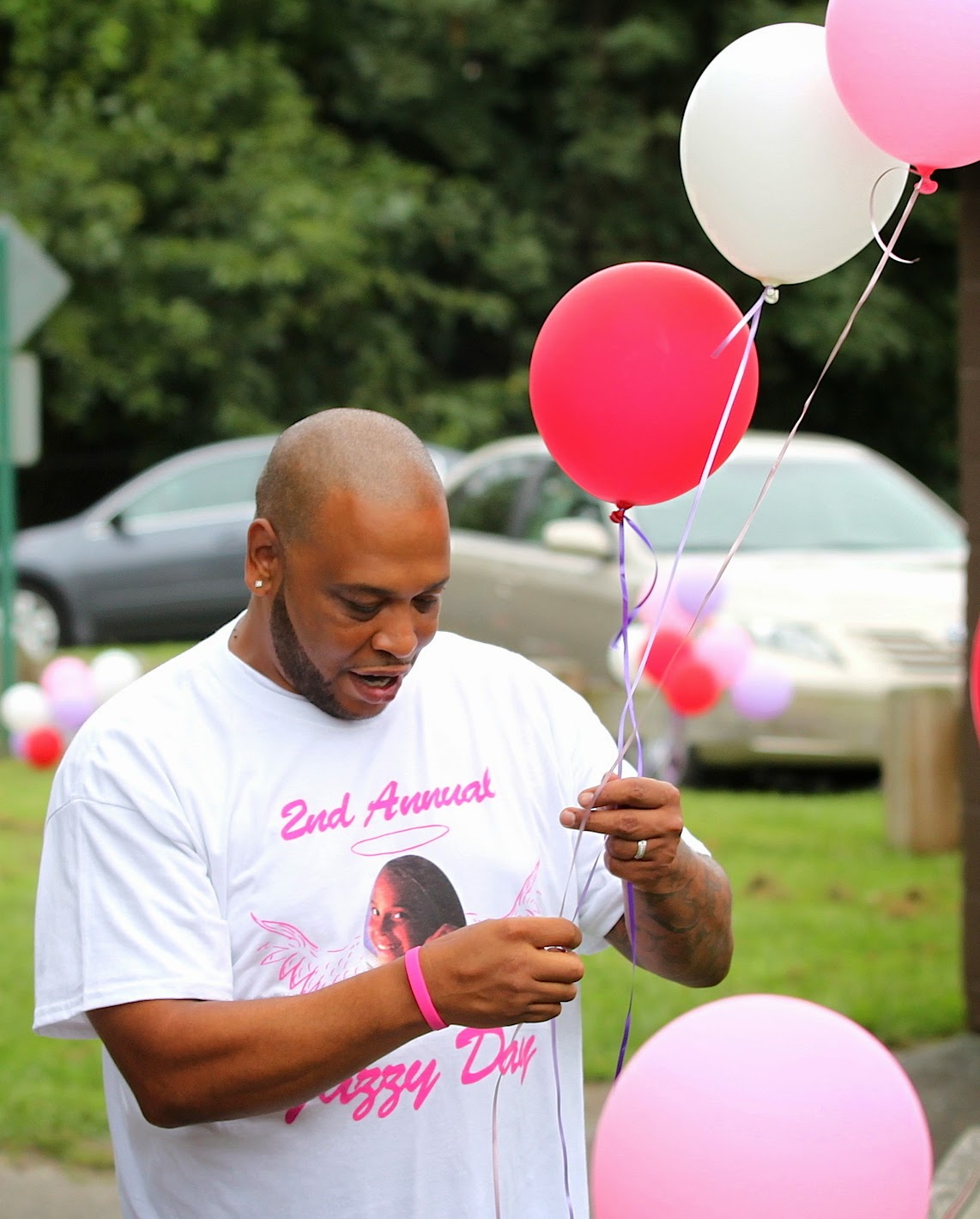
Jazzy’s dad, Stephan Smith, helped distribute balloons to attendees of the event . . .
Others enjoyed the many activities . . .
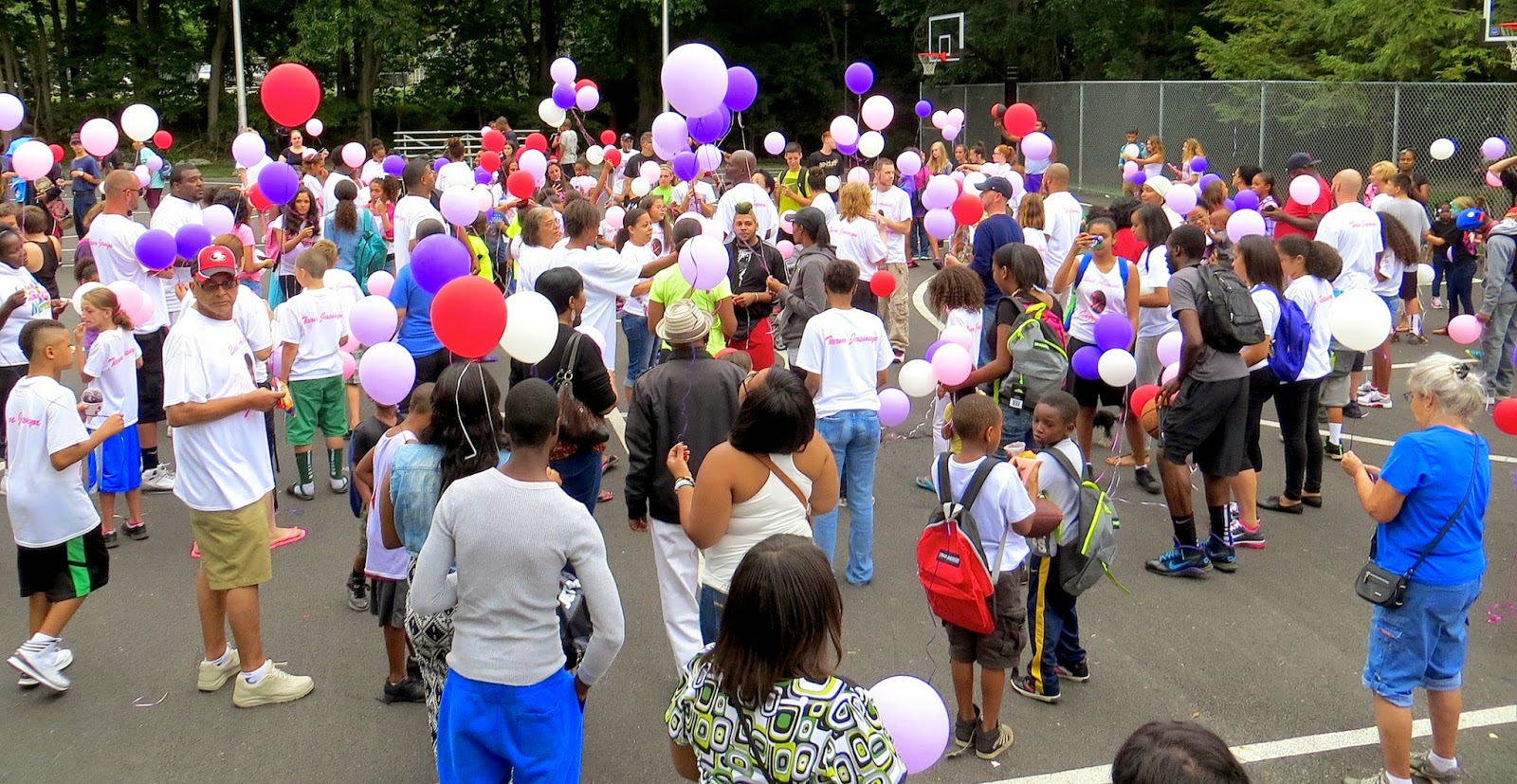
The crowd gathered on the basketball court for the balloon release . . .
Up, up, and away!
Police investigating rash of burglaries in Columbia Borough
Police are trying to determine if four home break-ins are linked in Columbia Borough.
State mulls tattoo-shop regs like in Lancaster city, Columbia Borough
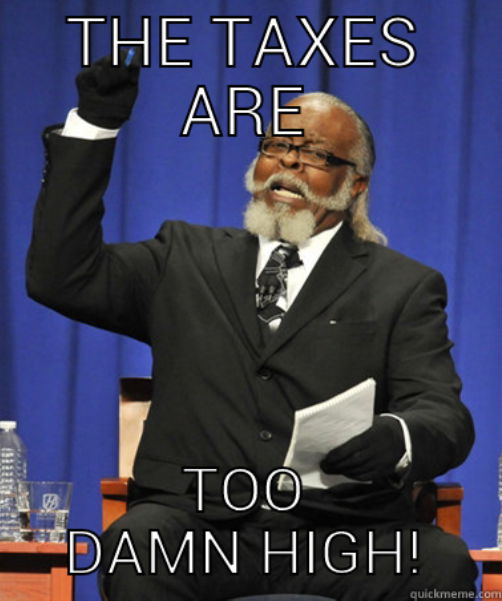
The taxes are too damn high!
[Following is an article submitted to this website today. I added the title and graphic.]
Over the years, I have heard (repeatedly) how high the taxes are in Columbia Borough. I was born here and have been a property owner since 1986. When I was young, I simply accepted whatever the taxes were and paid them without question. Taxes were part of the mortgage payment and therefore I (like many other young people) made the payment and ignored the tax part. The closer I get to retirement, the more I realize it may be impossible to continue living in this borough. I wanted to see what other options might be available and this became quite an eye-opener. Hearing that taxes are “high” is not enough, we need to look closer to see clearly just how high they really are.
Currently, there are a few homes for sale that have a Columbia address, but are actually in West Hempfield.
I found an example of this with two homes of comparable square footage and selling price, both with Columbia addresses, but one sitting in West Hempfield Township. The annual property tax was 1,667.00 dollars higher in Columbia. That is enough to pay a winter heating bill for one year/season. For a person in retirement, that is a chunk of change.
The following scenario is based on a home worth 150,000 dollars, as well as good health:
A homeowner in Columbia, planning to retire at 62 years and live in their home until he or she reaches age 82 will pay well over 120,000.00 dollars in property tax to Columbia Borough during that 20 year period. Obviously that amount will rise, but is based on no increase for the sake of this study. That is like paying for the home twice. The average tax bill will be 500.00 a month! We never actually OWN the home, even if the mortgage is paid, we rent it from the borough. If homeowners were billed $500.00 a month for taxes, I wonder how many would be delinquent. That 120,000.00 dollars does not include all the tax money paid to the borough prior to retirement.
The last part that grabbed my attention was a “three- building” rental property for sale in the borough with an annual property tax of 10,762.00 dollars. This property has 13, one-bedroom units, and one commercial space. There is the potential for 13 to 26 people to reside in this apartment building. The tax on one, single family home, is as high as 6,000.00 dollars. The people living in the single family home probably are maintaining their property, thereby helping the borough’s image. On the other hand, the landlord is more than likely not living in the borough and does as little as possible to maintain the property, in order to enhance his own wallet. The tax disparity is obvious.
If the homeowners in Columbia were billed monthly for taxes and paid their mortgage separately, there would be a public outcry. The homeowners in this borough must come together and demand action. Attend the council meetings, crowd the room, speak up. If we went shopping and made a $500.00 purchase monthly, I am certain beyond a doubt that we would demand to know what our money bought and we would want to be satisfied with the product. Our tax money is no different.
(Tax information was gathered from public records.)
[Name withheld by request]
What's new and different in your school district this year?
Schools open August 25
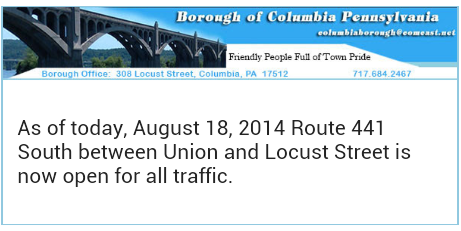
Route 441 South now open
Columbia – Home of the Underground Railroad – A Historic Society Tour
On Saturday, August 9, the Columbia Historic Preservation Society sponsored a tour of the route of the former Underground Railroad, the path to freedom for 19th-century slaves. The tour started and ended in Columbia, with stops at the Lancaster County Convention Center, Lancaster’s Shreiner-Concord Cemetery, the Thaddeus Stevens College of Technology, and the Underground Railroad Visitors Center in Christiana.
The term “Underground Railroad” is said to have originated in Columbia, and there is strong historical evidence to support this claim. In the mid-19th century, Columbia was a thriving transportation hub, with a bridge, a ferry, and a canal system, as well as a secret network of safe houses, making it a recognizable and desirable stopover on an escaped slave’s route to freedom.
In his book The History of the Underground Railroad in Chester and the Neighboring Counties (1883), R.C. Smedley states the following:
“In the early part of concerted management slaves were hunted and tracked as far as Columbia [Pennsylvania]. There the pursuers lost all traces of them. The most scrutinizing inquiries, the most vigorous search, failed to educe any knowledge of them. Their pursuers seemed to have reached an abyss, beyond which they could not see, the depths of which they could not fathom, and in their bewilderment and discomforture they declared there must be an underground railroad somewhere. This gave origin to the term by which this secret passage from bondage to freedom was designated thereafter.”
William Wright, a Columbia citizen, is credited with laying the groundwork for this systematic transport of escaped slaves. In addition, William Whipper, an African-American businessman, owned railroad cars outfitted with secret compartments for hauling slaves, giving the term “Underground Railroad” a physical dimension, in addition to its metaphorical meaning.
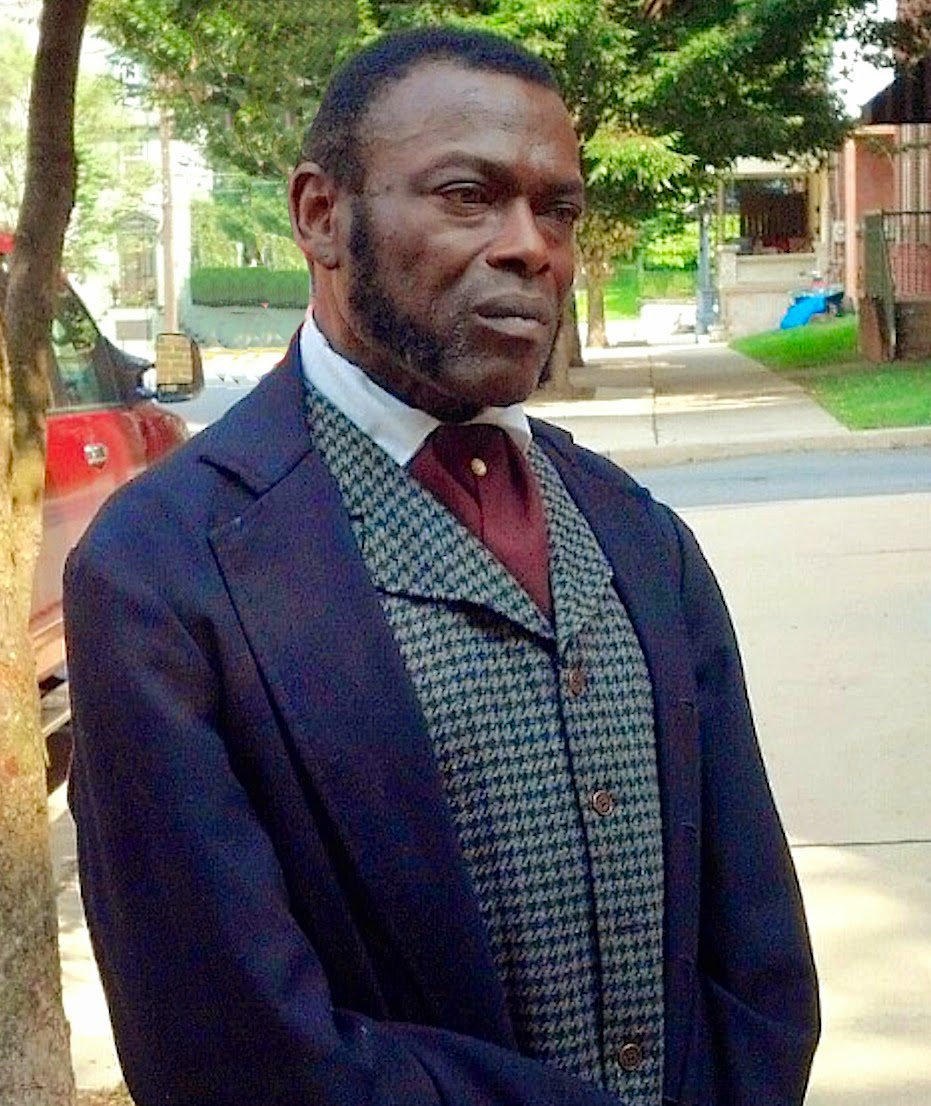
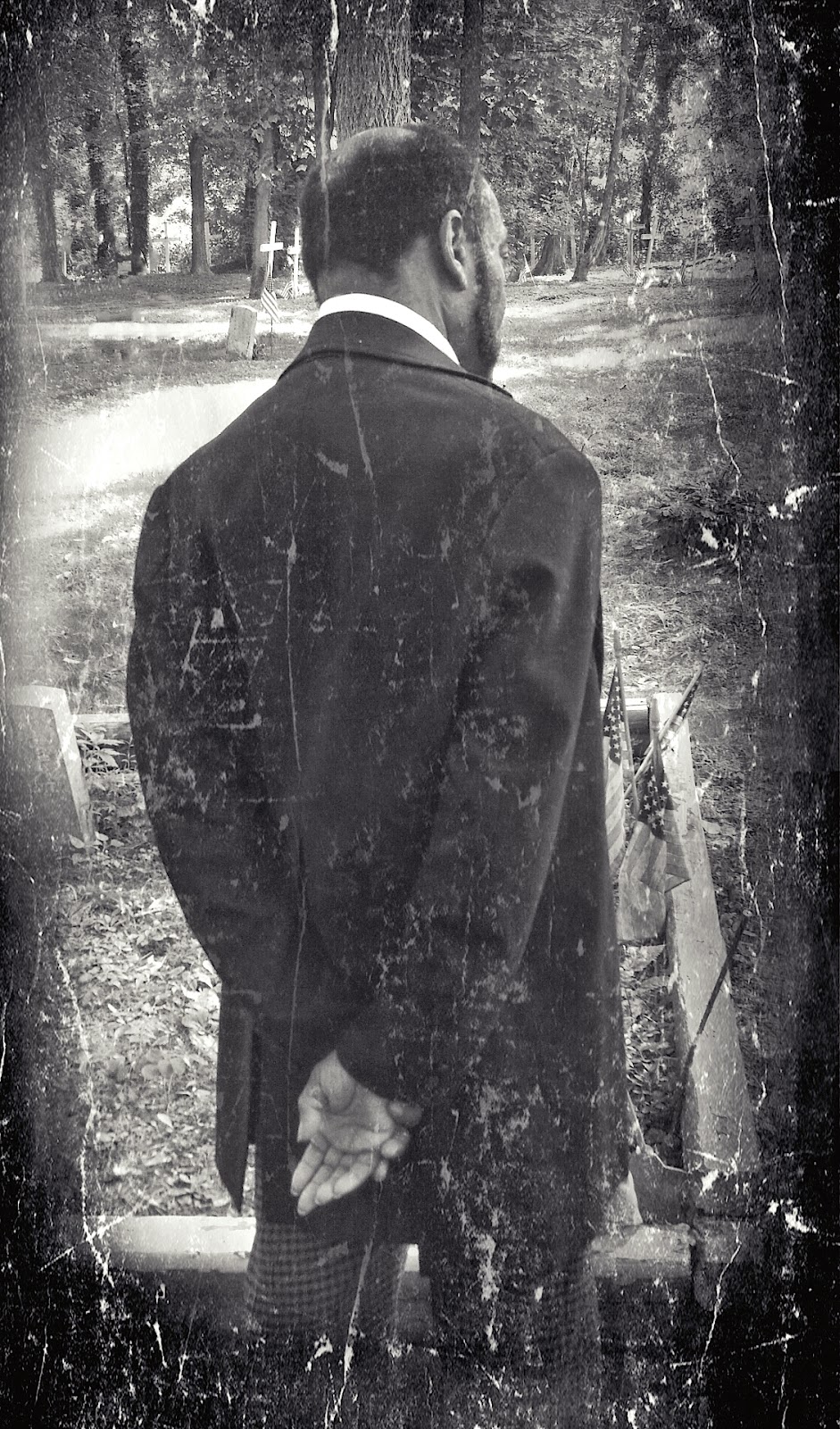
Columbia’s Robert Brinson portrayed Columbia businessman William Whipper.
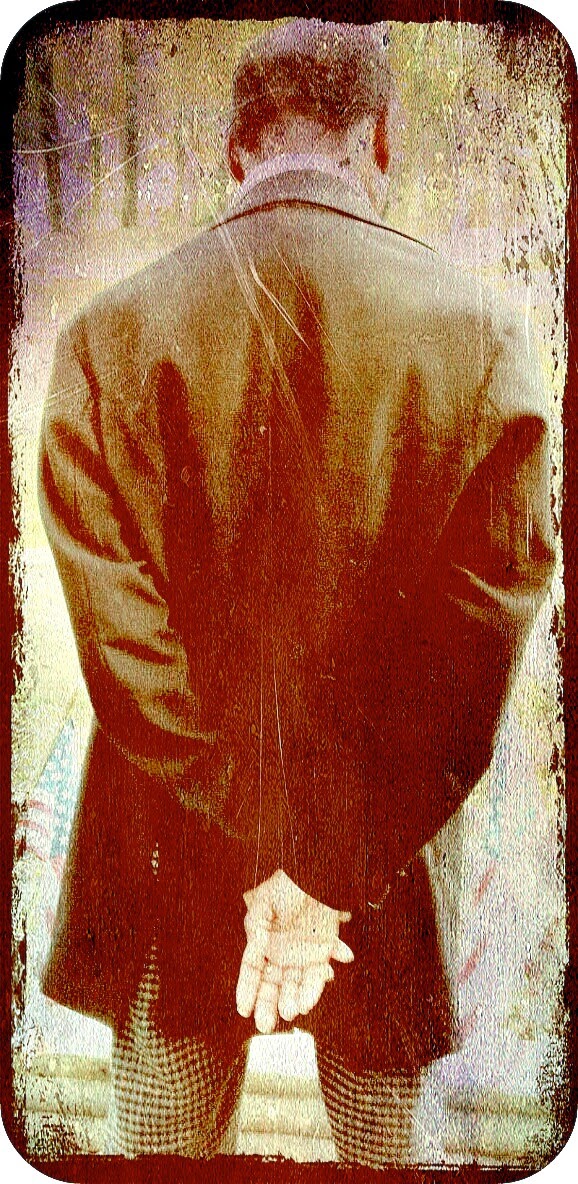
When the tour group arrived at Columbia’s Zion Hill Cemetery, “William Whipper” contemplated the sacrifice of black Civil War soldiers buried there, most of whom fought with the 54th Massachusetts Regiment. During the construction of the Route 30 bypass in the late 1960s, many of the grave markers were dug up and tossed aside. In 1997, funds were raised, and dedicated community volunteers gathered and reset some of the stones, and added markers to probable grave locations.
The cemetery also holds the grave of Columbian Robert Loney, a soldier with Company I of the 32nd United States Colored Troops (USCT) Regiment.
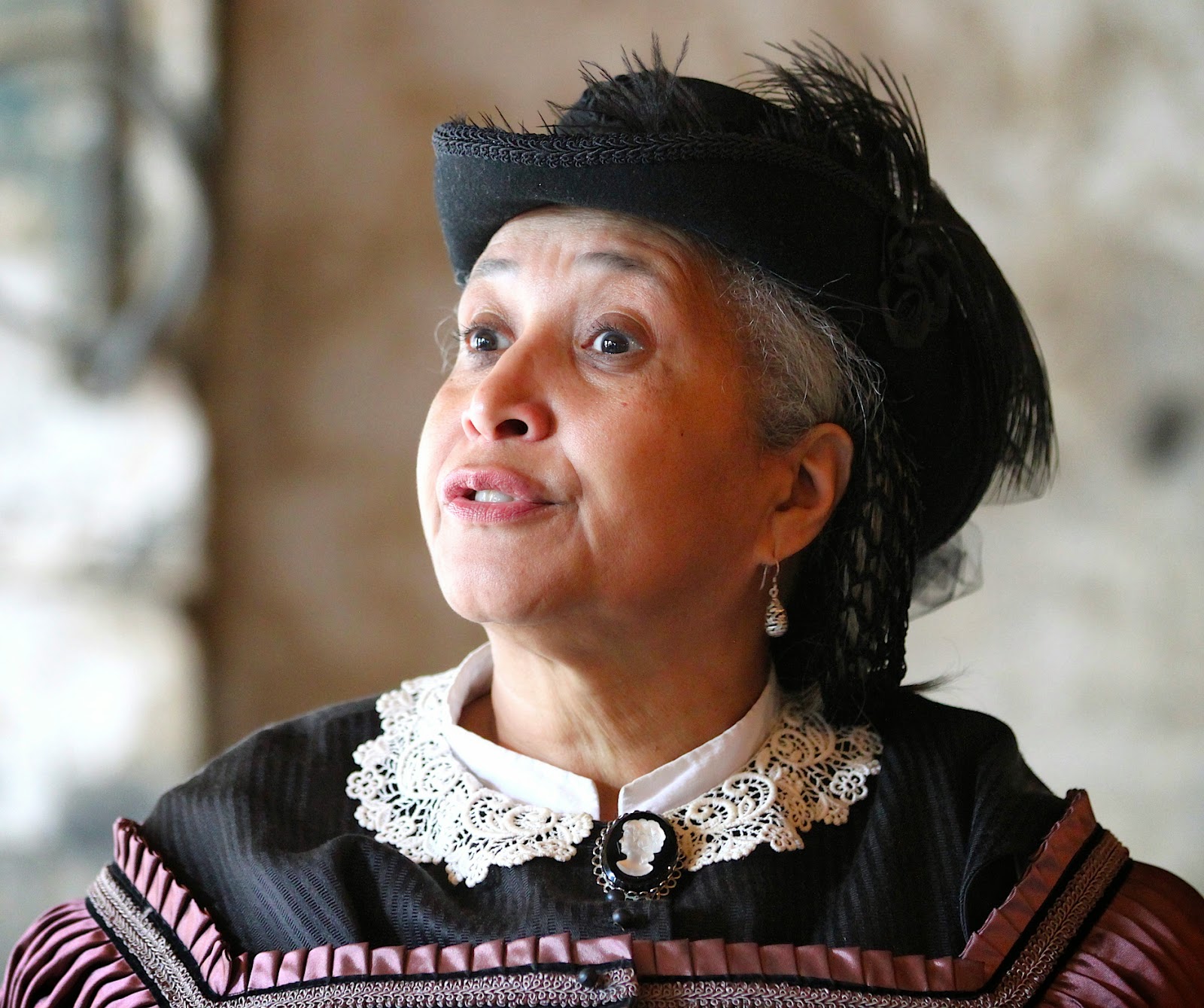
At the Lancaster County Convention Center, Darlene Colon, president of the Christiana Historical Society, portrayed Lydia Hamilton Smith, housekeeper and confidante to U.S. Congressman Thaddeus Stevens. The site encompasses Stevens’s former office and residence, which became a station on the Underground Railroad. Smith lived in a separate house in the rear but later moved into the main residence with her children.
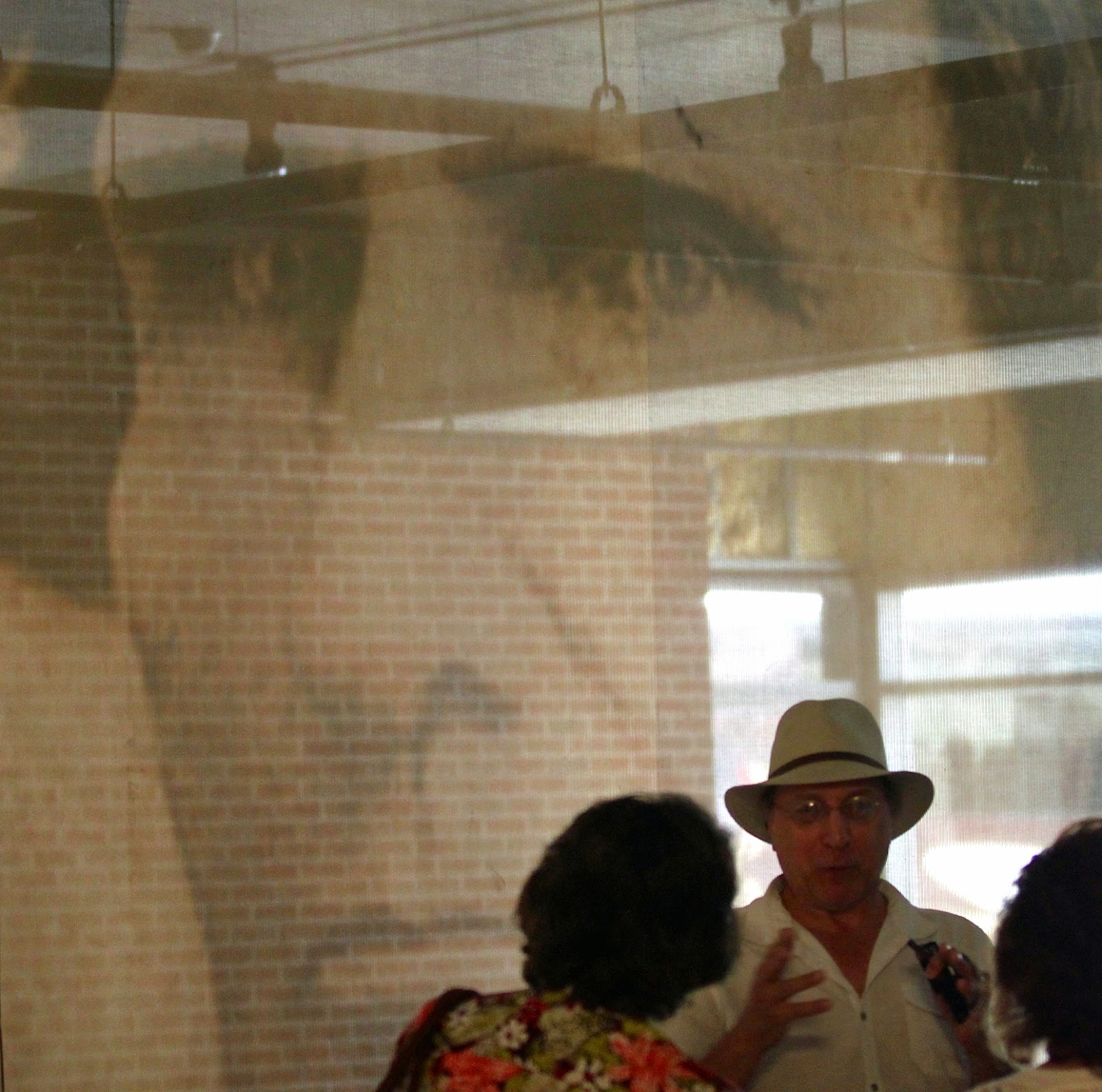
Standing before the spirit of Thaddeus Stevens (actually a large hanging), historian and tour guide Randolph Harris explained details of the site.
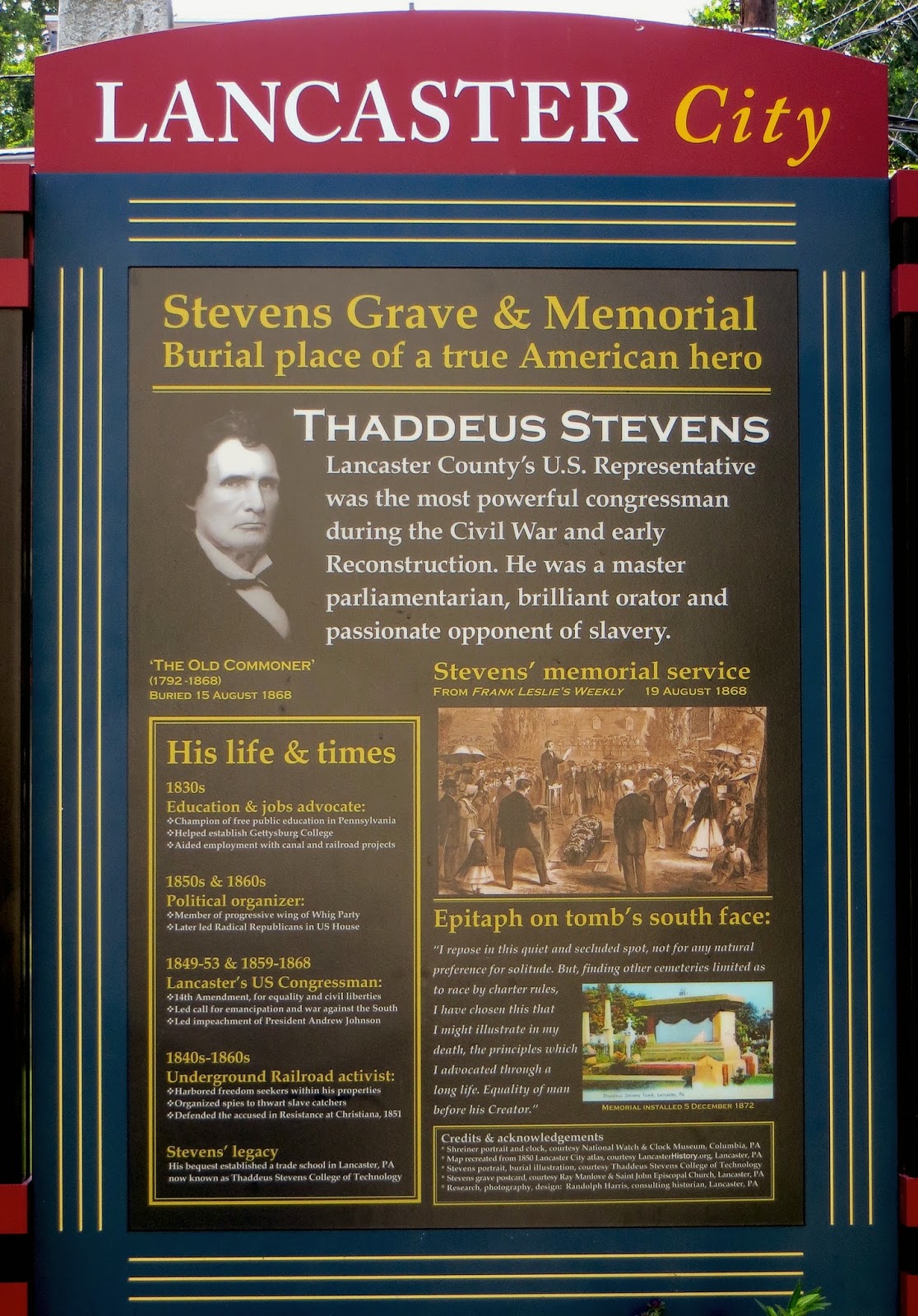
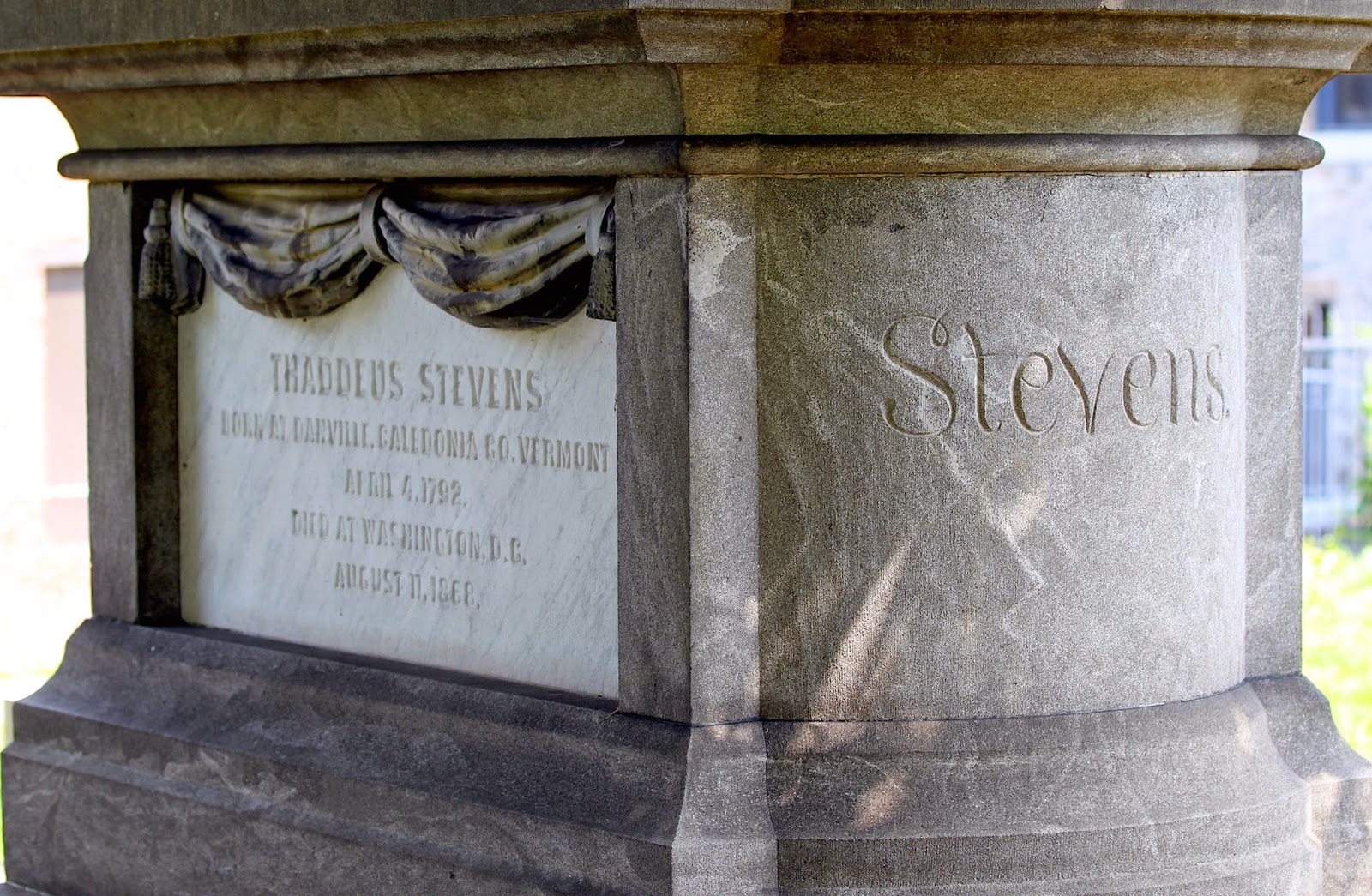
Lancaster’s Shreiner-Concord Cemetery holds Stevens’s grave and memorial.
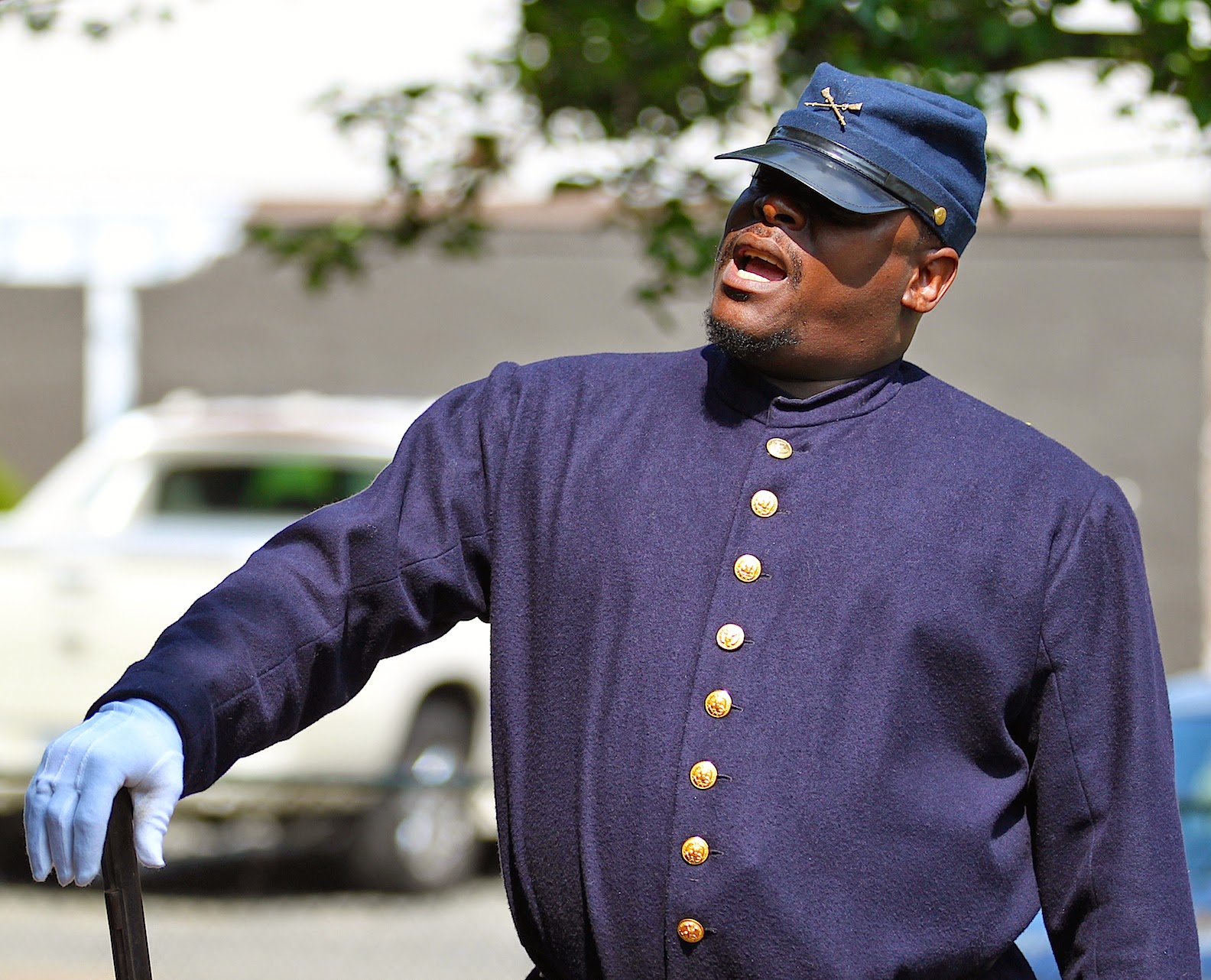
A. Lee Brinson portrayed Civil War soldier Sergeant Jonathan Sweeney, who “materialized” at the cemetery to visit his and his wife’s graves, and to give his regards to Stevens.
The tomb of Thaddeus Stevens
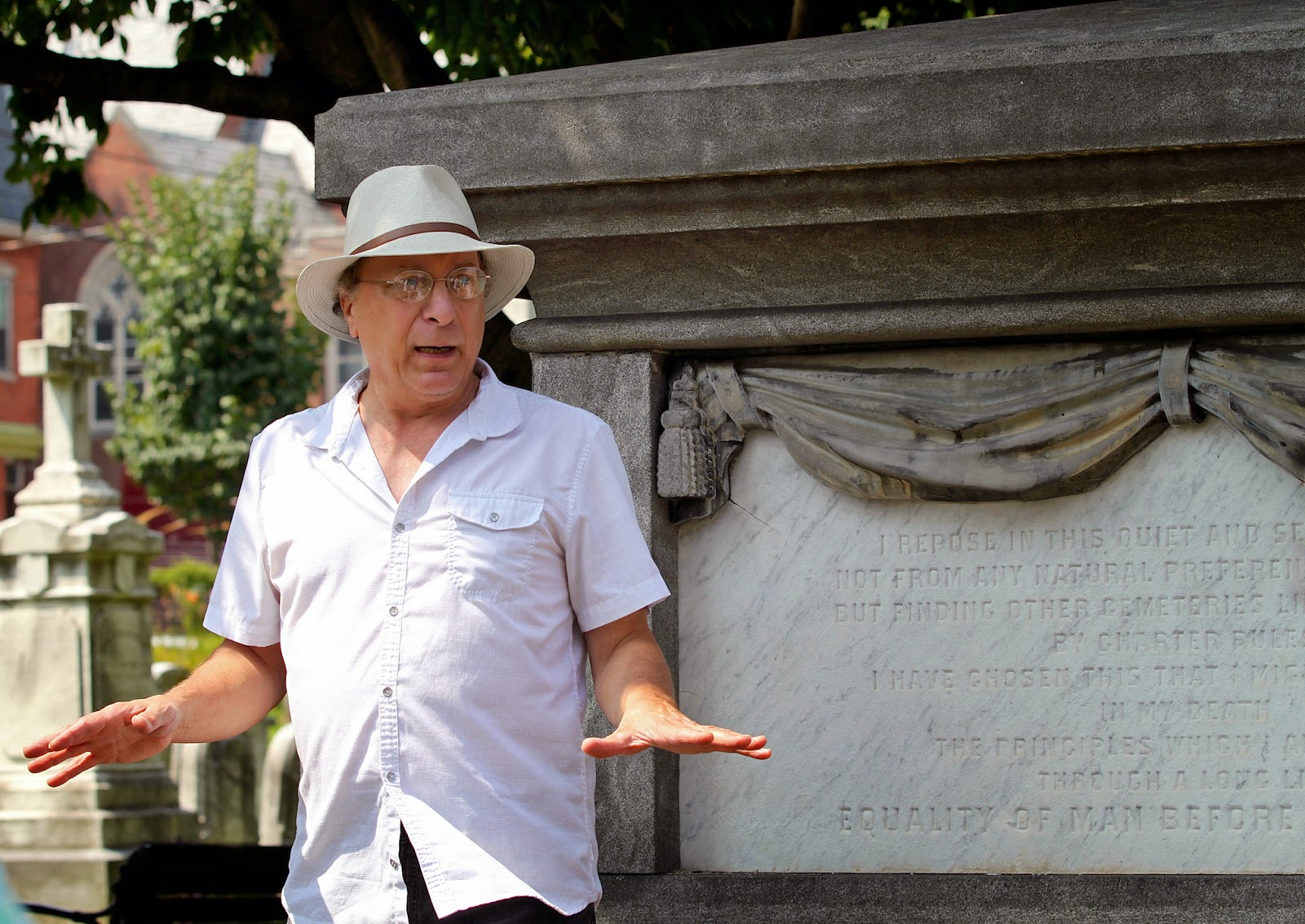
Historian Randolph Harris explained aspects of Stevens’s life.
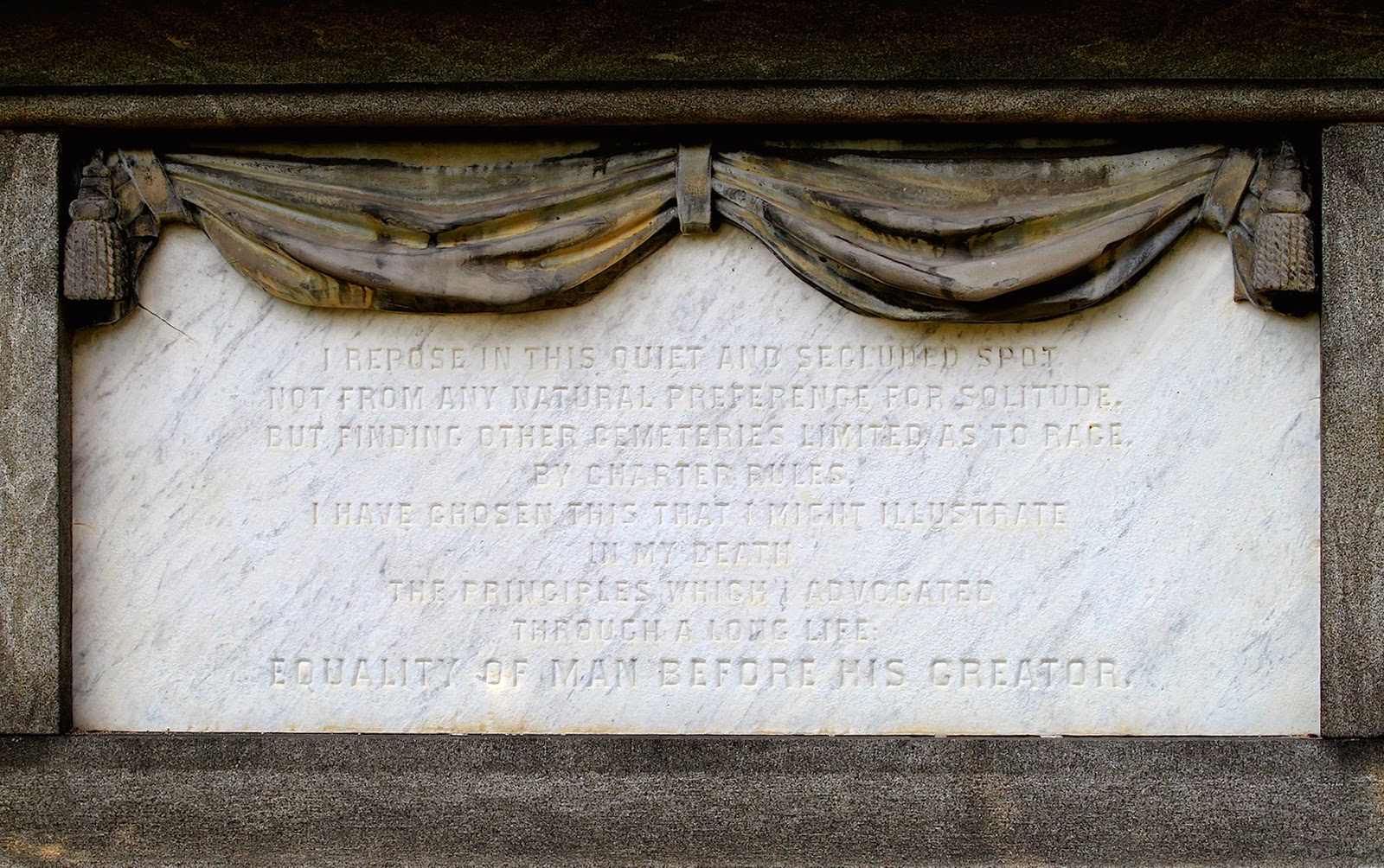
“I repose in this quiet and secluded spot, not from any natural preference for solitude; but finding other cemeteries limited as to race, by charter rules, I have chosen this that I might illustrate in my death the principles which I advocated through a long life, equality of man before the Creator.“
-Epitaph on Thaddeus Stevens’ tomb, written by himself
The epitaph faces south as a symbolic message to Southern slaveholders.
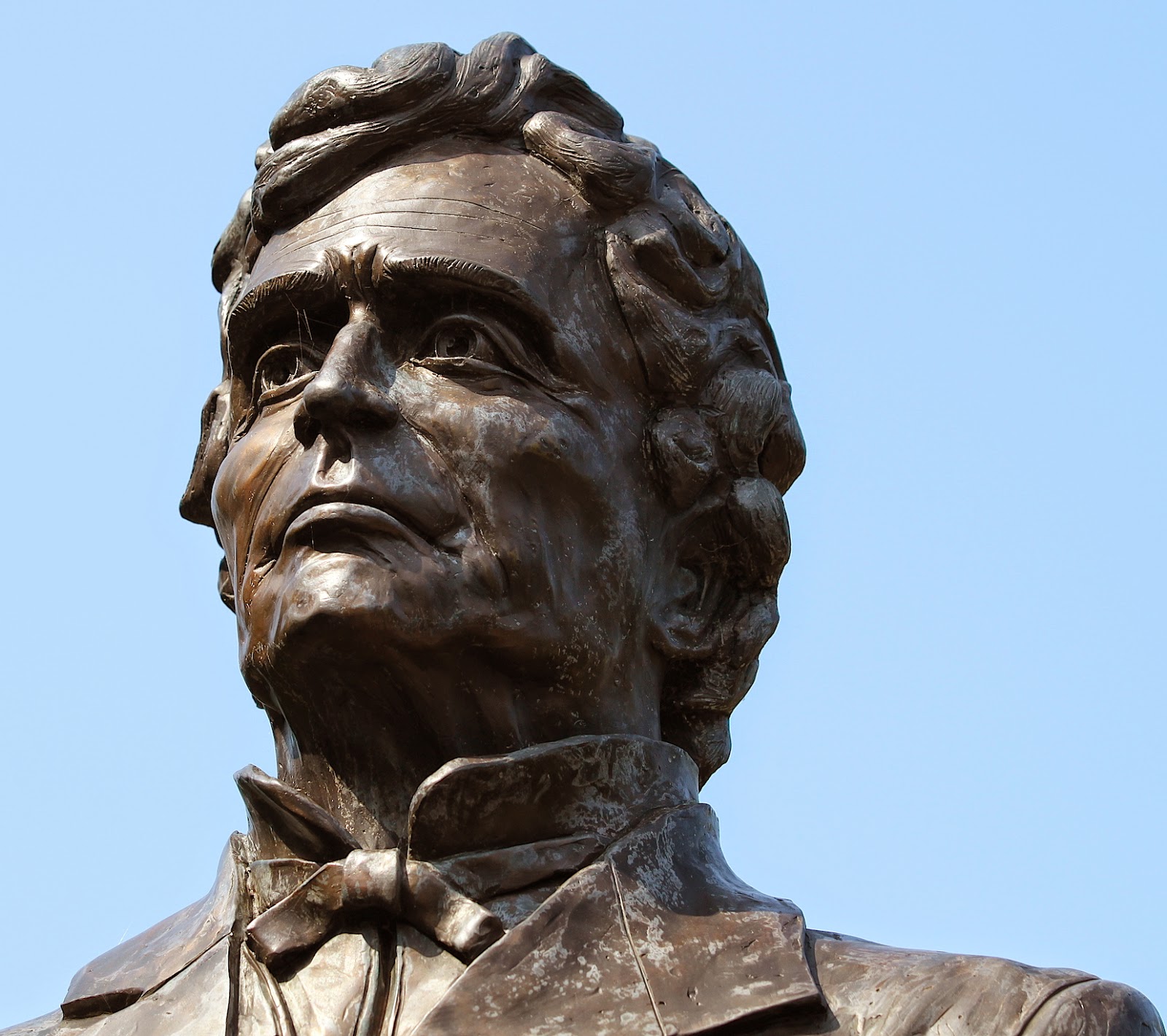
Statue of Stevens at Thaddeus Stevens College of Technology.
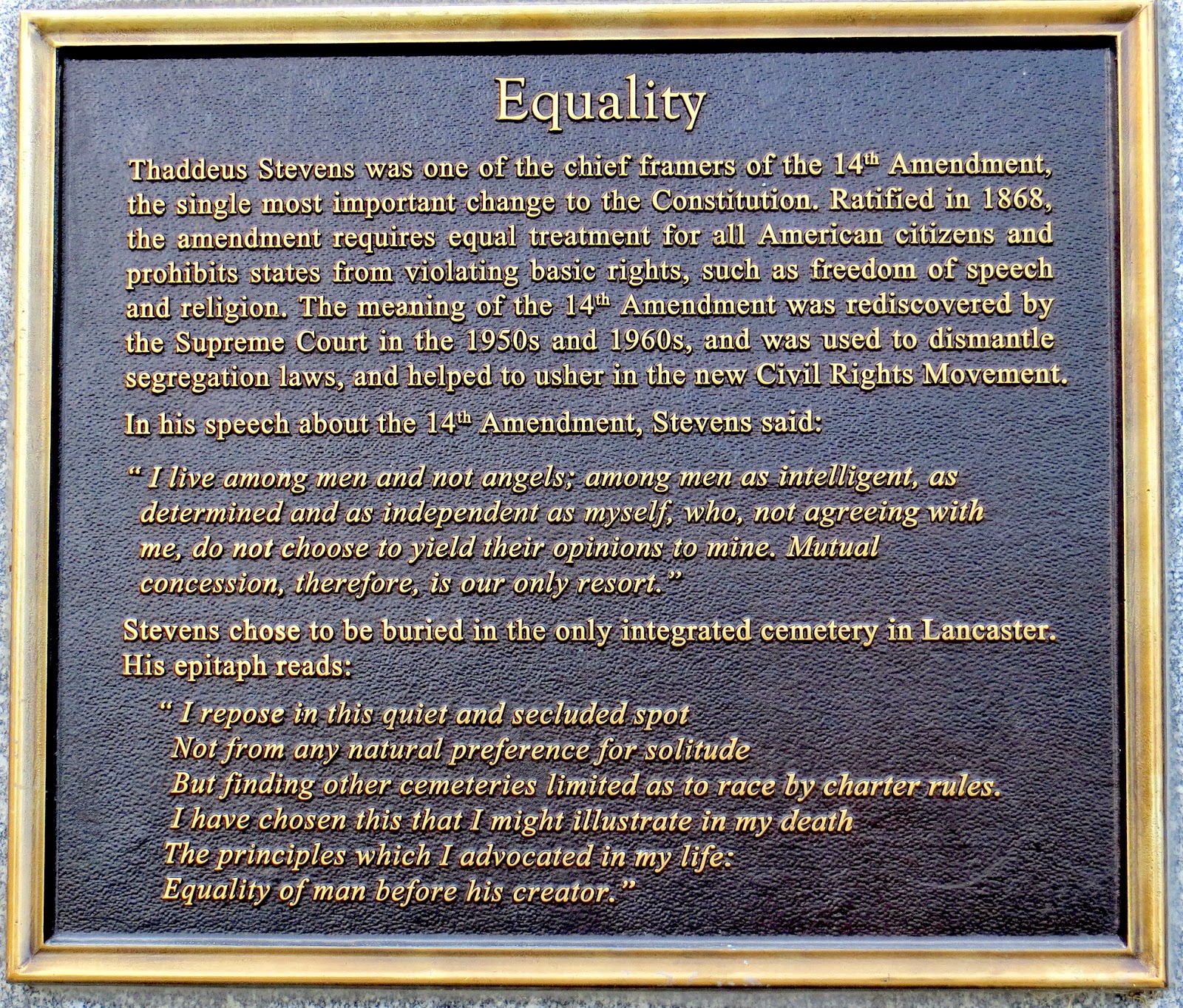
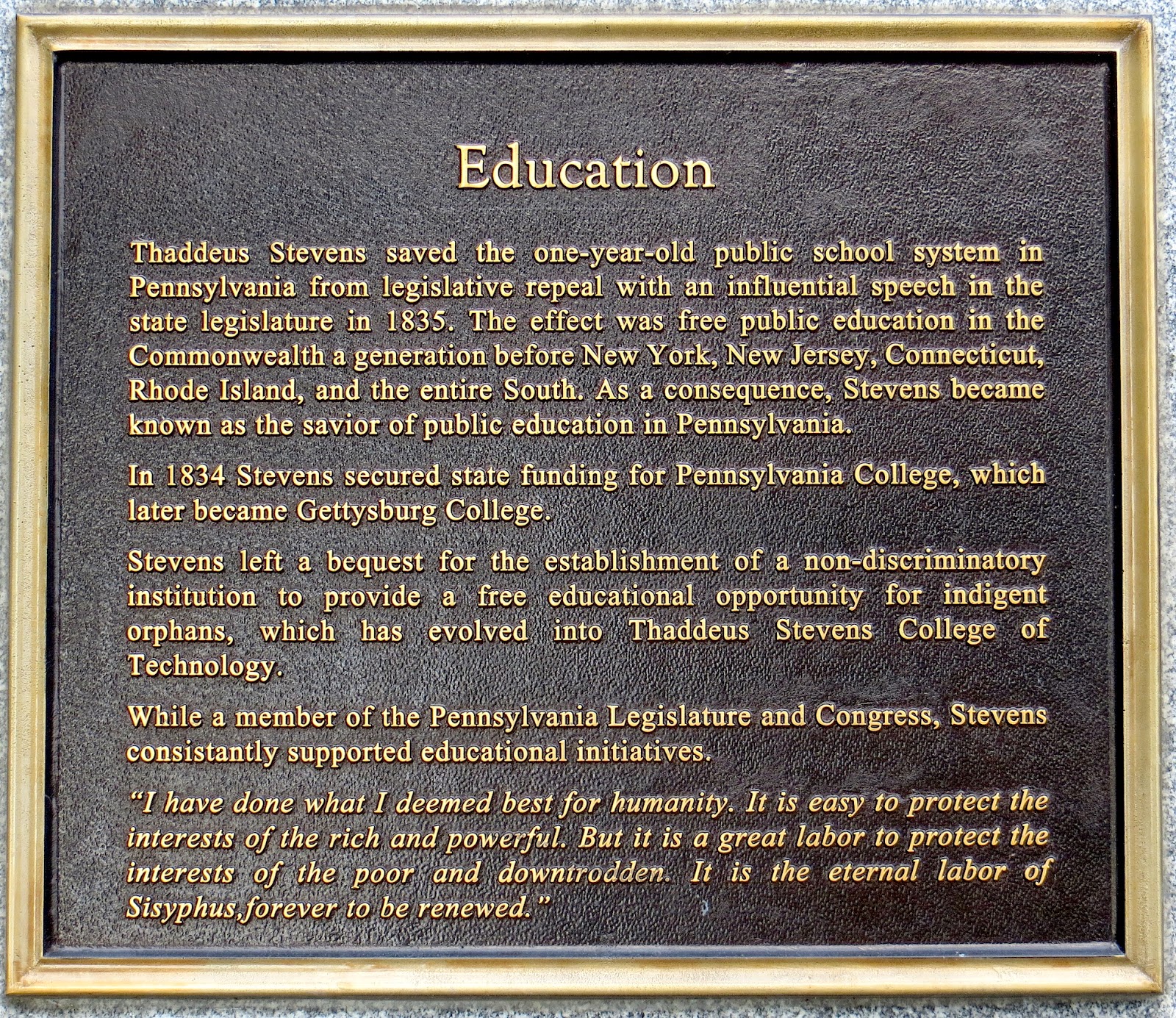
Plaques surrounding the base of the statue elucidate Stevens’s accomplishments and convictions:
If he were alive today, Stevens would probably be branded a “liberal” – or more likely a “socialist” – by right-wing bloviators, for promoting such virtuous principles.
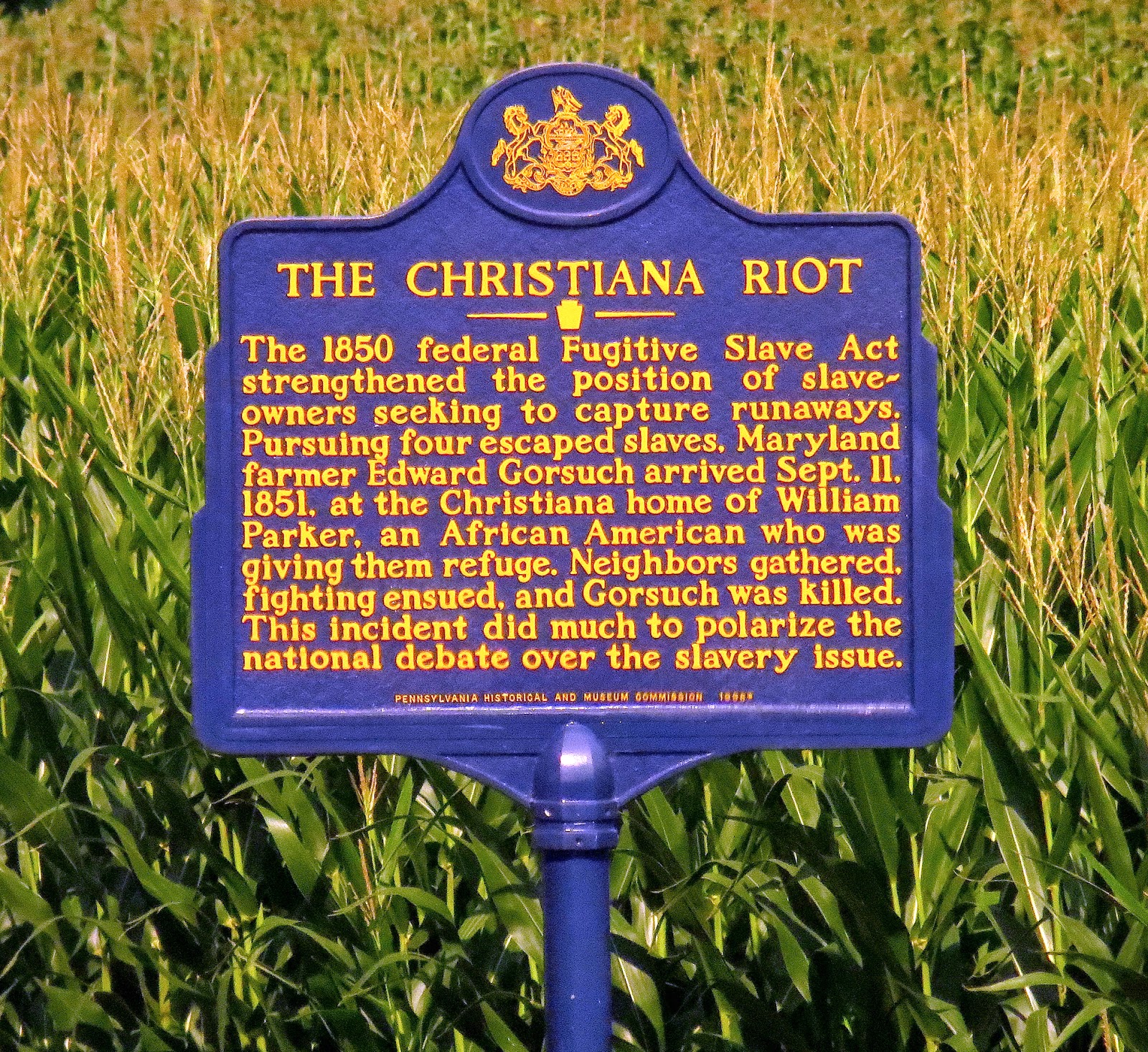
The final stop on the tour was Christiana, site of the Christiana Riot, also known as the Christina Resistance.
On Sept. 11, 1851, Maryland slave owner Edward Gorsuch entered Christiana with a posse to demand the return of his slaves.
William Parker, a former slave who had been giving them refuge, told Gorsuch he was in the North and there were no slaves. In the ensuing fighting, Gorsuch was killed. Later, U.S. Marines arrived to restore order. Subsequently, 38 men were arrested and charged with treason under the federal Fugitive Slave Law.
Thaddeus Stevens defended them, and after the first defendant was acquitted, charges against the others were not pursued.