River towns' cuisine on display at tasting event April 3 in Columbia

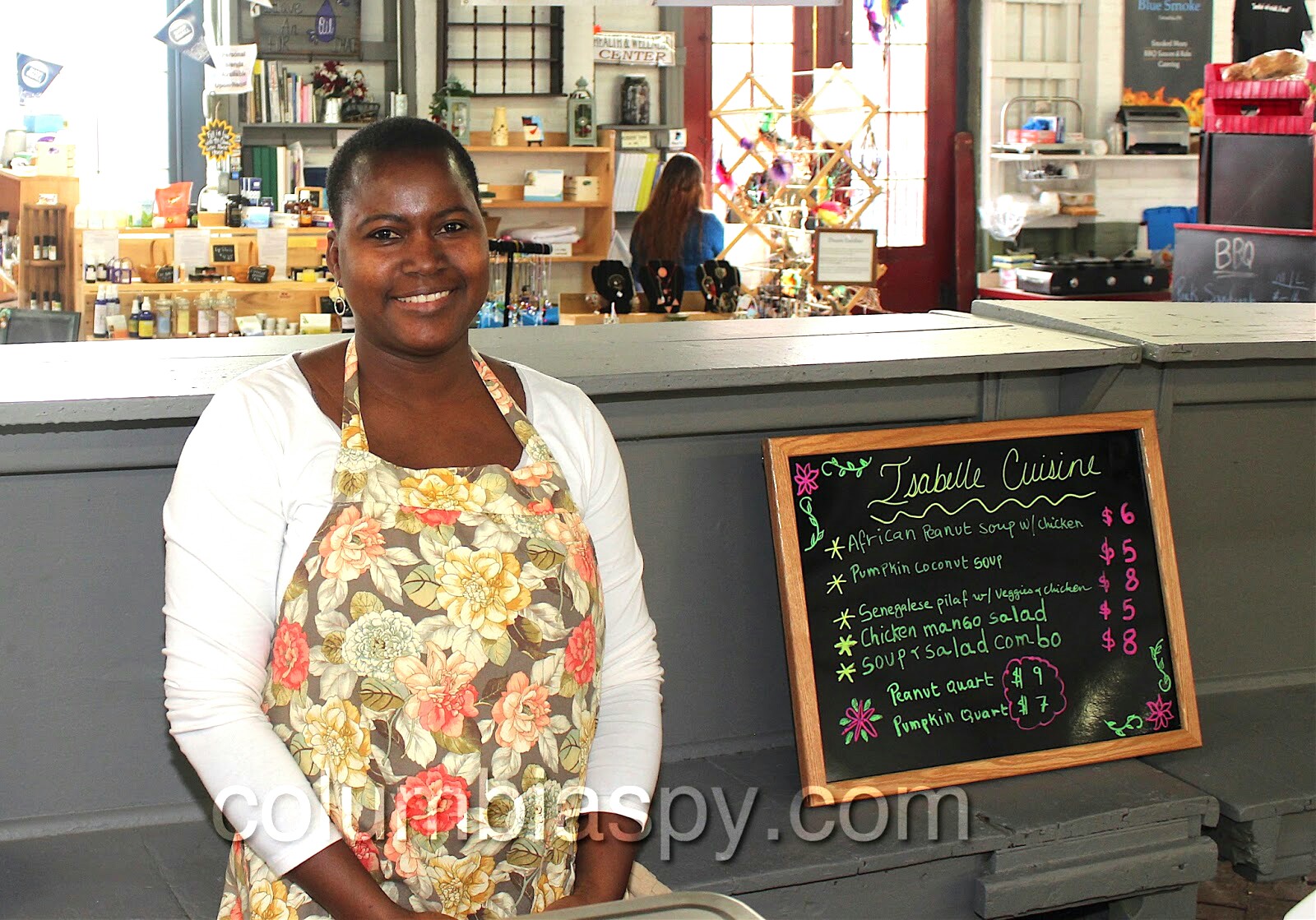
            Isabelle Warfel of Isabelle Cuisine

• What: Taste of the River Towns, offering samples from 14 eateries in the Susquehanna River area.
• When: 4 to 6:30 p.m. Sunday, April 3.
• Where: St. John’s Herr Estate, 200 Luther Lane, Columbia.
• Tickets: $15 per person. Available through the Susquehanna Valley Chamber of Commerce Visitors Center, 445 Linden St., Columbia, 684-5249, or at St. John’s Herr Estate.
• Information: Visit the event’s Web page or call the chamber.

During Sunshine Week, and every week, open government is good government

In observance of Sunshine Week this week, LNP published a recent editorial citing examples of local freedom of information stories.
One paragraph in particular stands out:
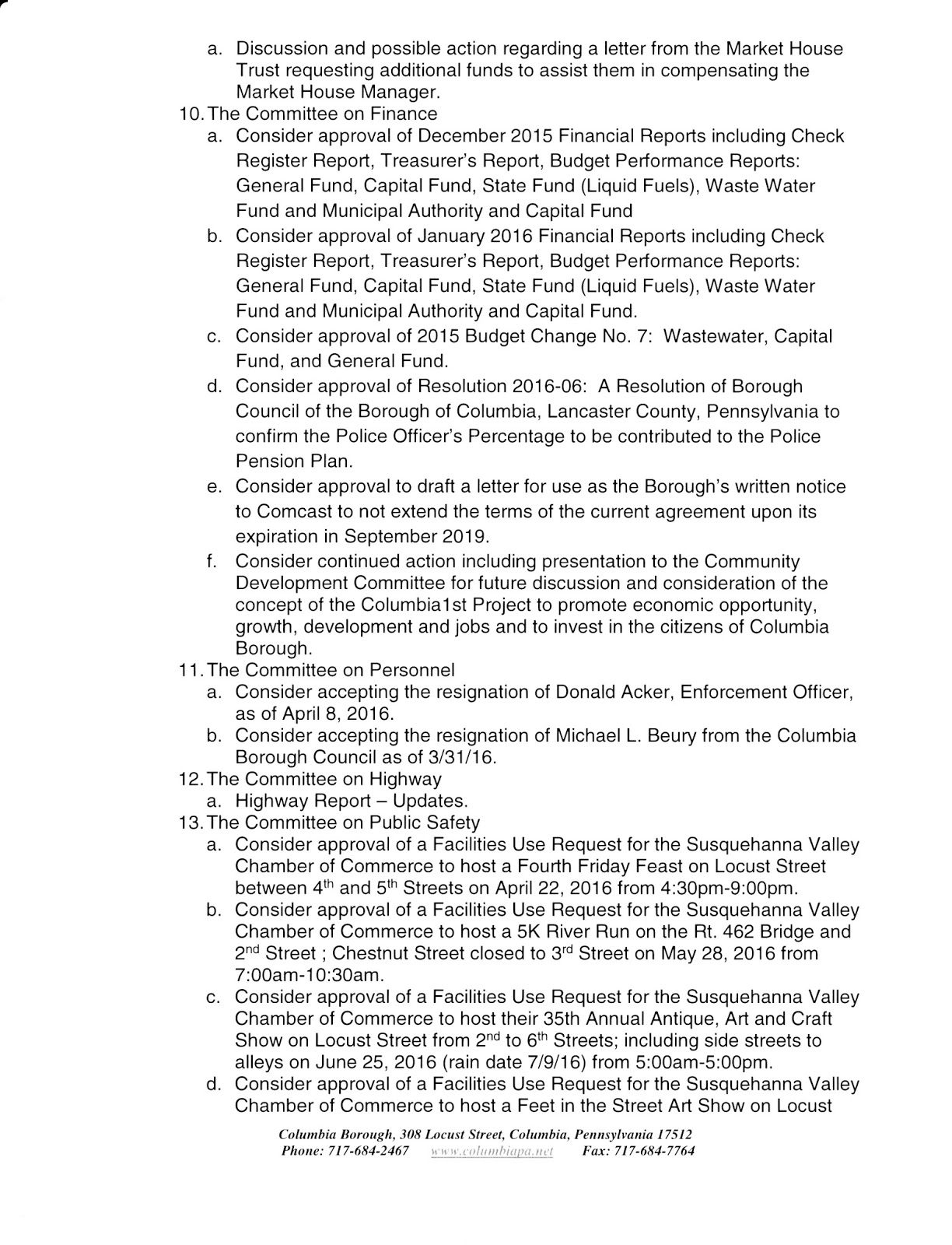
“We would expect council and the borough’s open records officer to be responsive at the next meeting and make board packets available to the public in some form as required under the state’s Right-to-Know Law, especially since Councilman Hans Seidel publicly agreed with Haigh.”
Although this refers to the Mount Joy Borough Council, it is a good practice for all local government boards.

Columbia Crossing to open year-round with on-site manager and changes

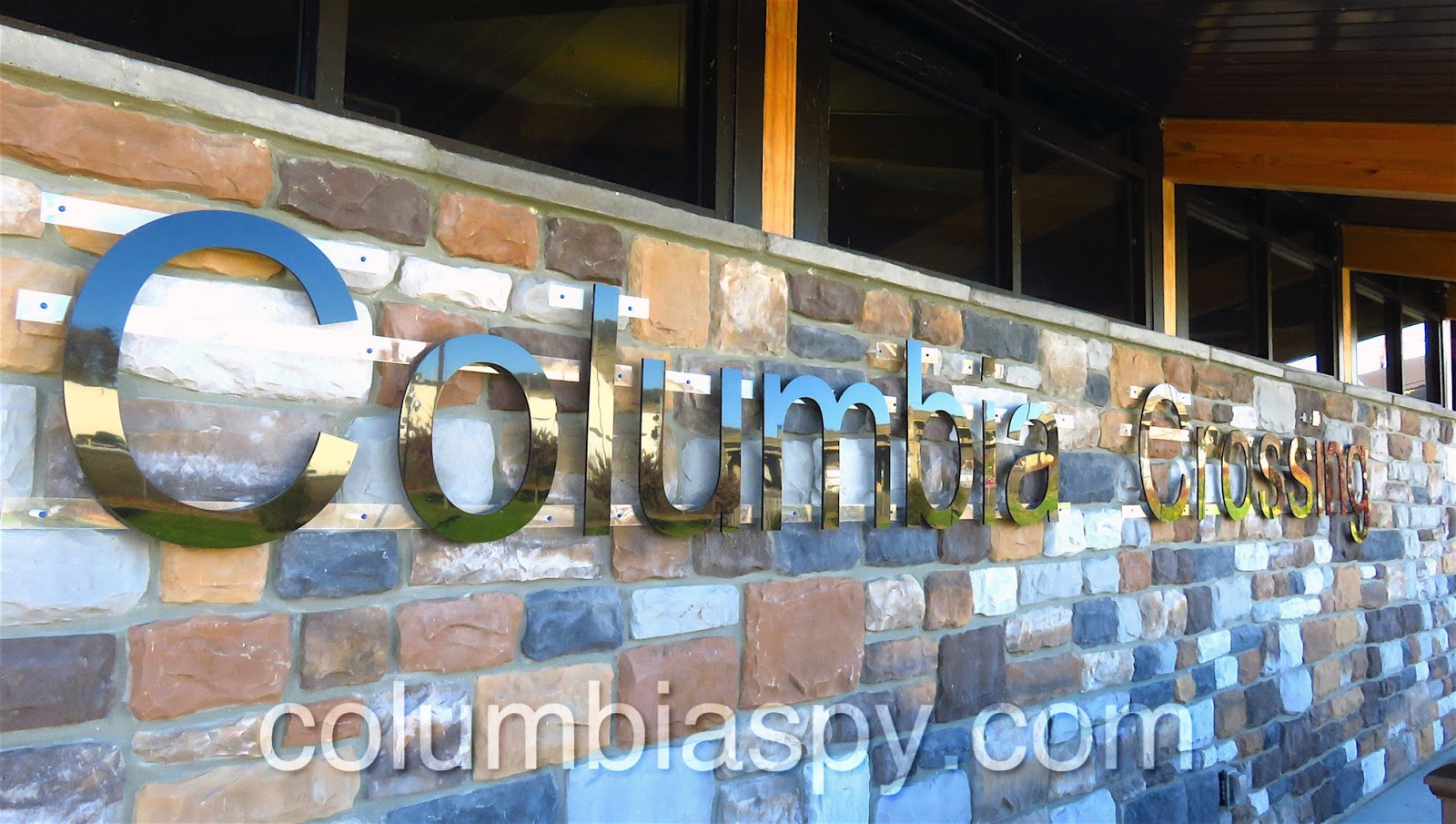
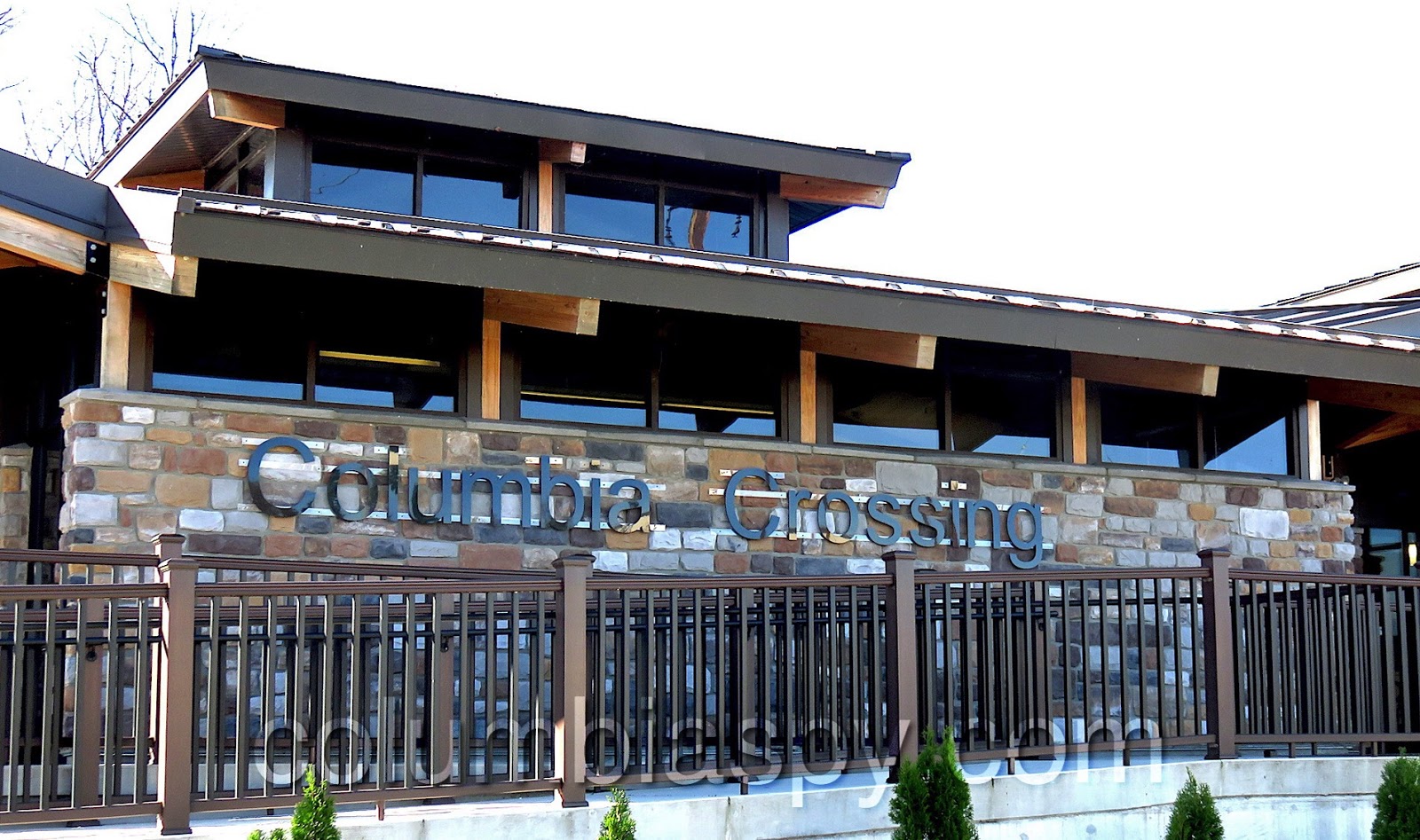
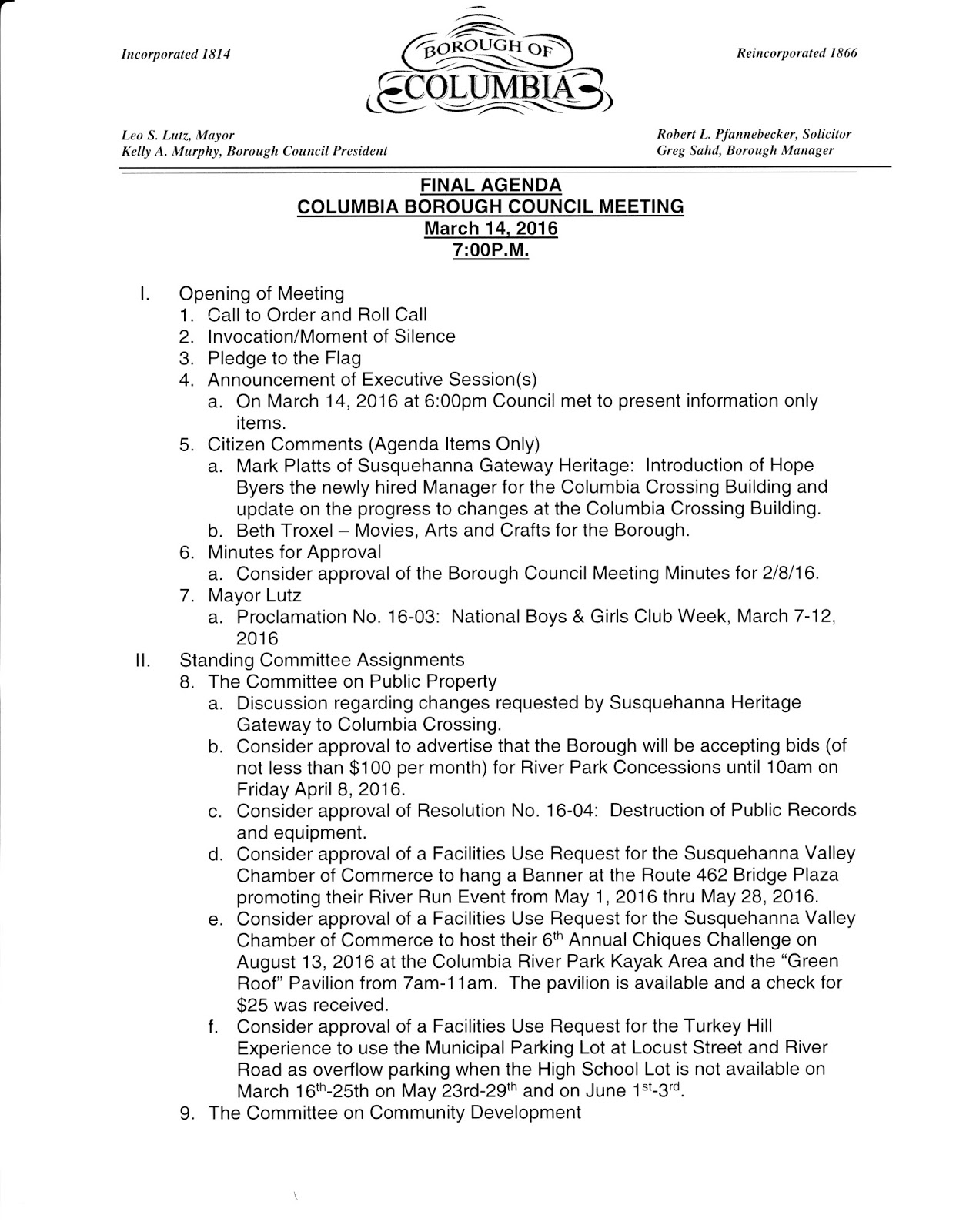
The Columbia Crossing building at Columbia River Park is scheduled to open Wednesday, March 16 at 10 a.m. and remain open year-round with an on-site manager, it was announced at the March Columbia Borough Council meeting.  Susquehanna Gateway Heritage Area (SGHA), a non-profit organization, will oversee operation of the building. Mark Platts, president of SGHA, said the key priorities at this point are developing facility rental policies and fee structures, organizing an advisory council of community representatives, and developing a series of programs, educational events, and a plan for permanent exhibits. A selection of 10 river art paintings will be displayed for the next two months. Platts also said that the Susquehanna Valley Chamber of Commerce will provide volunteers and an intern to help with the building’s operation.

Platts introduced Hope Byers as the on-site manager of the building. Byers, who has a master’s degree in history, was previously director of operations at the Amish Farm and House in Lancaster County. She also worked at Pennypacker Mills in Montgomery County. “I’m super-excited to be part of this project. I think that it’s a great partnership,” Byers said.

Platts laid out a three-phase plan for customizing the building’s interior to provide better functionality for staff and visitors. Phase 1 includes a work-station for the manager, a storage room for tables and chairs, and meeting space. Phase 2 entails exhibit, program, and event space. The cost of each phase is estimated at $17,500 to $25,000. Phase 1 has already been funded. Phase 2 will be funded through grant opportunities. Phase 3 is “concept-only” at this point and will target the area between the two bridges.

Columbia Crossing Interior Upgrades

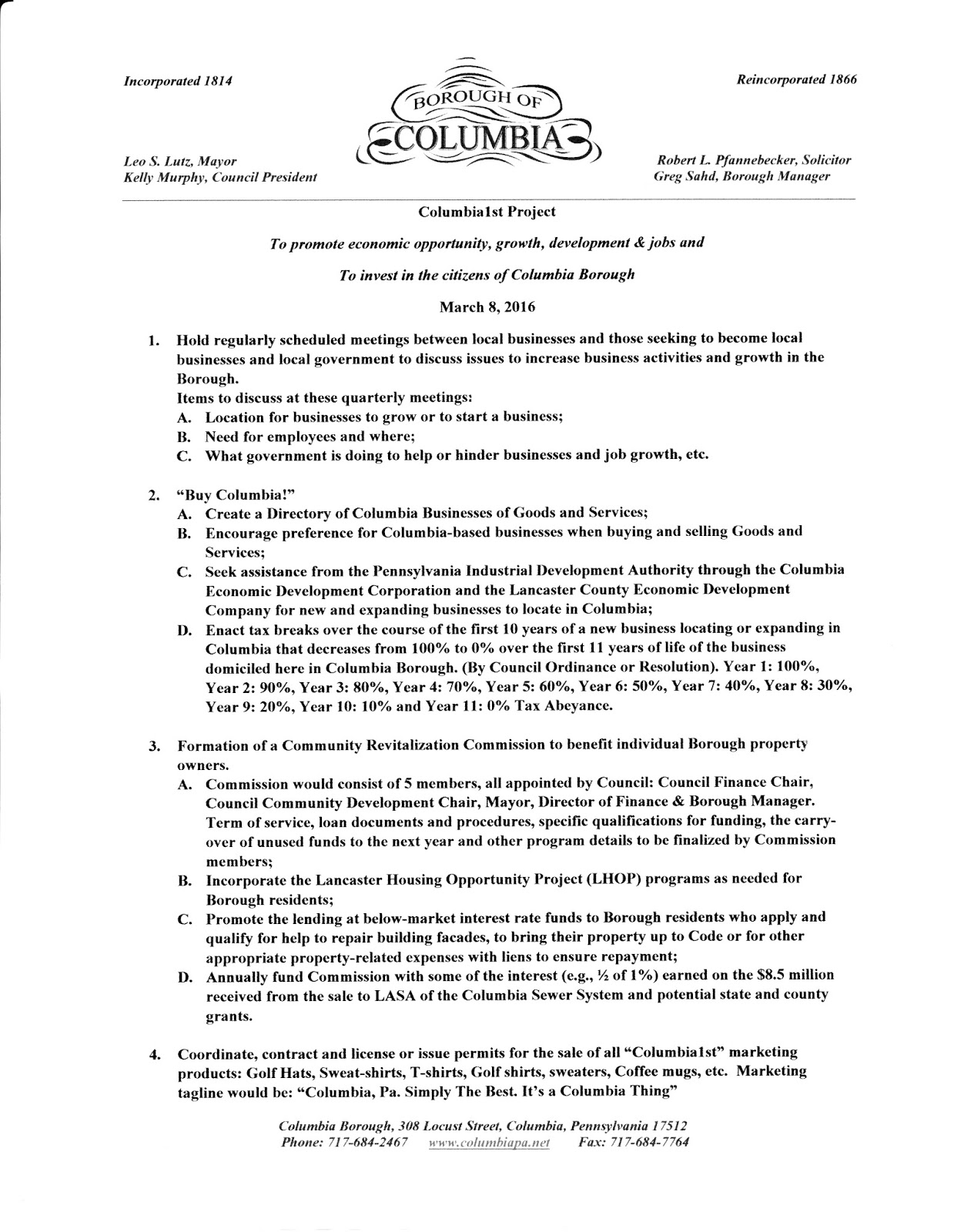
Columbia 1st Plan to benefit local businesses and residents

The Columbia Borough Community Development Committee is actively considering a new plan to invest in Columbia, which it is calling the “Columbia 1st Project.” The stated aims are “To promote economic opportunity, growth, development & jobs” and “To invest in the citizens of Columbia Borough.”

The plan is seen as a way to reach out to local businesses to discuss issues and promote business growth within the borough. One goal is to create a directory of Columbia businesses of goods and services to encourage people to buy local. Also under the plan, the Pennsylvania Industrial Development Authority and the Lancaster County Economic Development Company would assist new and growing businesses in locating in Columbia. To that end, tax breaks would be given to such businesses during the first 10 years.

The plan also includes formation of a Community Revitalization Commission to benefit individual borough property owners through housing programs and low-interest loans for repairs and upgrades. The commission would be funded by interest from the recent sale of the sewer system to LASA and grants.

The Columbia 1st Project would also be promoted through the licensing of “Columbia 1st” merchandise, including hats, shirts, and mugs bearing the tagline “Columbia, PA. Simply the best. It’s a Columbia Thing.”

The project is due to be discussed at Thursday night’s Community Development Committee meeting at 6 p.m. at the borough hall, 308 Locust Street. The meeting is open to the public.

Columbia 1st Project outline

Mike Beury resigns; council seat open

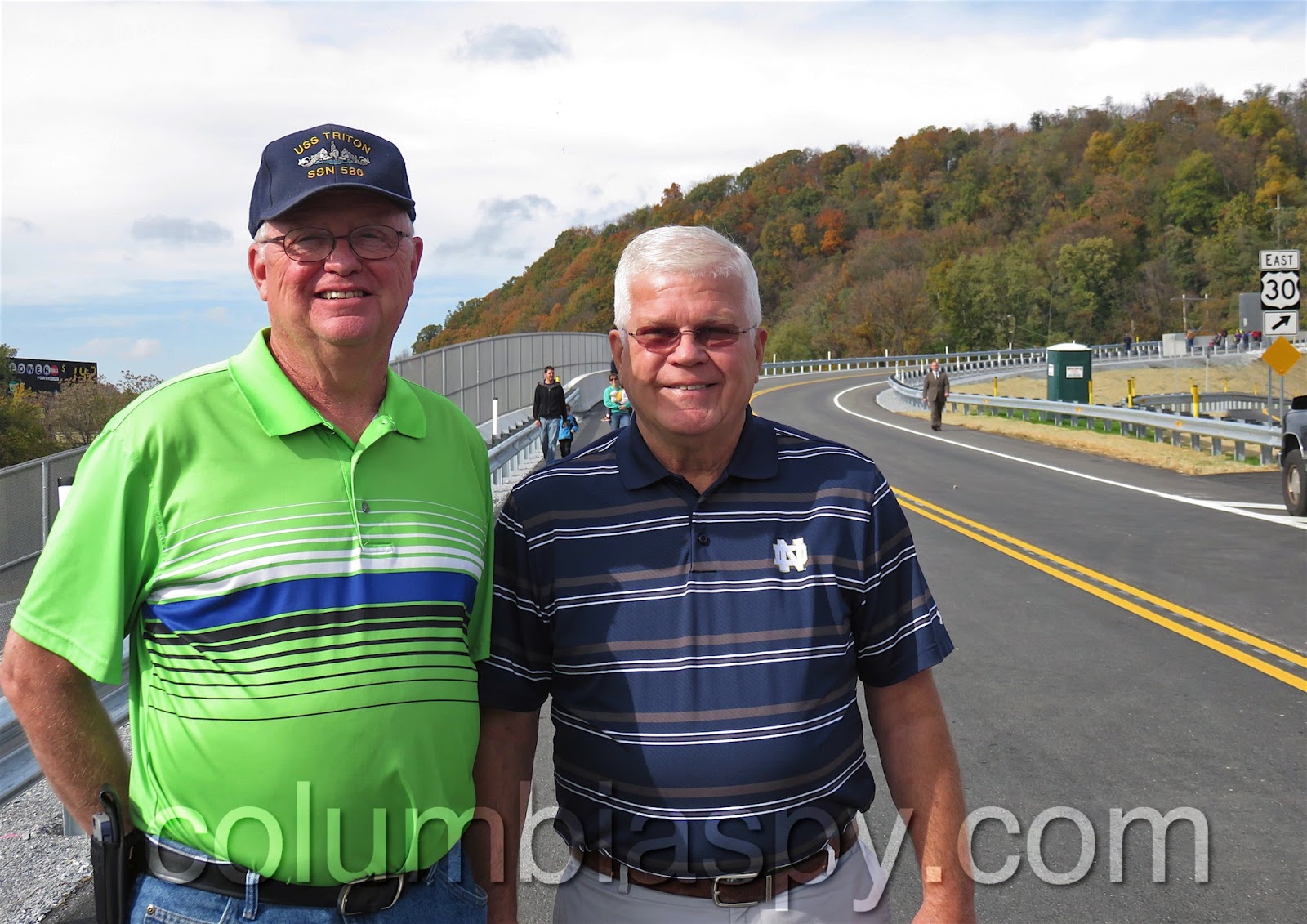
Mike Beury (left) is shown here with former councillor Jim Smith at the Route 441 bypass preview in November of last year.
Michael L. Beury’s resignation from Columbia Borough Council was announced at last night’s council meeting. Beury said he is resigning because he and his wife are moving out of Columbia. Residency within the borough is a requirement for holding a council seat. The resignation is effective at the end of this month. 

Beury, who recently stepped down as council president, was a councillor for over 10 years. He also served on the civil service commission for 20 years.

Mayor Leo Lutz expressed his thanks to Beury on behalf of the borough. Lutz called Beury an active council person who helped make the community better.

Beury’s resignation creates a vacancy on council.  Applicants for the position should submit a letter of interest to Borough Manager Greg Sahd by April 8. Candidates will be interviewed publicly at April’s council meeting, and one will potentially be chosen that evening.  In the case of no applicants or no candidate chosen, council will have 30 days from March 31 to locate and choose a candidate. If a candidate has not been chosen by the deadline, a vacancy board will take over the process.

Government business must be open; Media must help hold officials accountable

zachary-60x80By Jim Zachary
Valdosta (Ga.) Daily Times
Transparency Project of Georgia

Government must be held accountable.

The only way for the public to hold government accountable is for all of the actions of government to be out in the open.

That is why open government is part and parcel of democracy.

When government is allowed to operate behind closed doors, it grows out of control, is not responsive to the public and is subject to corruption.

These are some of the reasons the media, watchdog groups — and most importantly the general public — should be committed to government transparency.

Newspapers, in particular, have a long legacy of holding government accountable, and operating as the Fourth Estate. Sadly, many newspapers have abandoned that role, leaving it up to the general public to police local governments.

Any newspaper that does not defend the First Amendment and champion open government is not worth the paper it is printed on or the ink that fills its pages.

Public officials must understand the difference between the public sector and the private sector.

Men and women elected to office and people who have been appointed to boards, commissions and authorities must understand they answer to the general public.

Whether discussing finances, facilities, daily operations or public policy, all of the people’s business must be deliberated in public and not be hidden behind closed doors.

Deliberating public business in closed-door executive sessions is not only poor public service, in most cases and in most states, it is simply against the law, except for a very narrow list of reasons.

In the state of Georgia, for example, the law says:

“The General Assembly finds and declares that the strong public policy of this state is in favor of open government; that open government is essential to a free, open, and democratic society; and that public access to public records should be encouraged to foster confidence in government and so that the public can evaluate the expenditure of public funds and the efficient and proper functioning of its institutions. The General Assembly further finds and declares that there is a strong presumption that public records should be made available for public inspection without delay. This article shall be broadly construed to allow the inspection of governmental records. The exceptions set forth in this article, together with any other exception located elsewhere in the Code, shall be interpreted narrowly to exclude only those portions of records addressed by such exception” (O.C.G.A. 50-18-70).

Regardless of where you live, your state likely has similar language in its Sunshine Laws.

We encourage all elected officials to remember they answer to the people, not to professional government administrators and not to government lawyers.

Non-Elected administrators answer to them.

Government attorneys answer to them.

The public must hold elected officials accountable.

Elected officials, in turn, must hold the professional staff and the attorneys accountable.

It is clear the public is losing confidence in government at all levels.

The only way for local governments to gain that confidence back is to be open and transparent in the way they conduct the people’s business.

Jim Zachary is the editor of the Valdosta (Ga.) Daily Times, the director of theTransparency Project of Georgia, a member of the board of directors of the Georgia First Amendment Foundation and co-chairman of the board of directors of the Red & Black, serving the University of Georgia. He has been a featured speaker and journalism trainer with Georgia Press Association, Tennessee Press Association, Georgia College Press Association, Transparency Project of Georgia, the Georgia First Amendment Foundation. He can be contacted at jim.zachary@gaflnews.com.

This article is used with permission as part of a Sunshine Week toolkit.