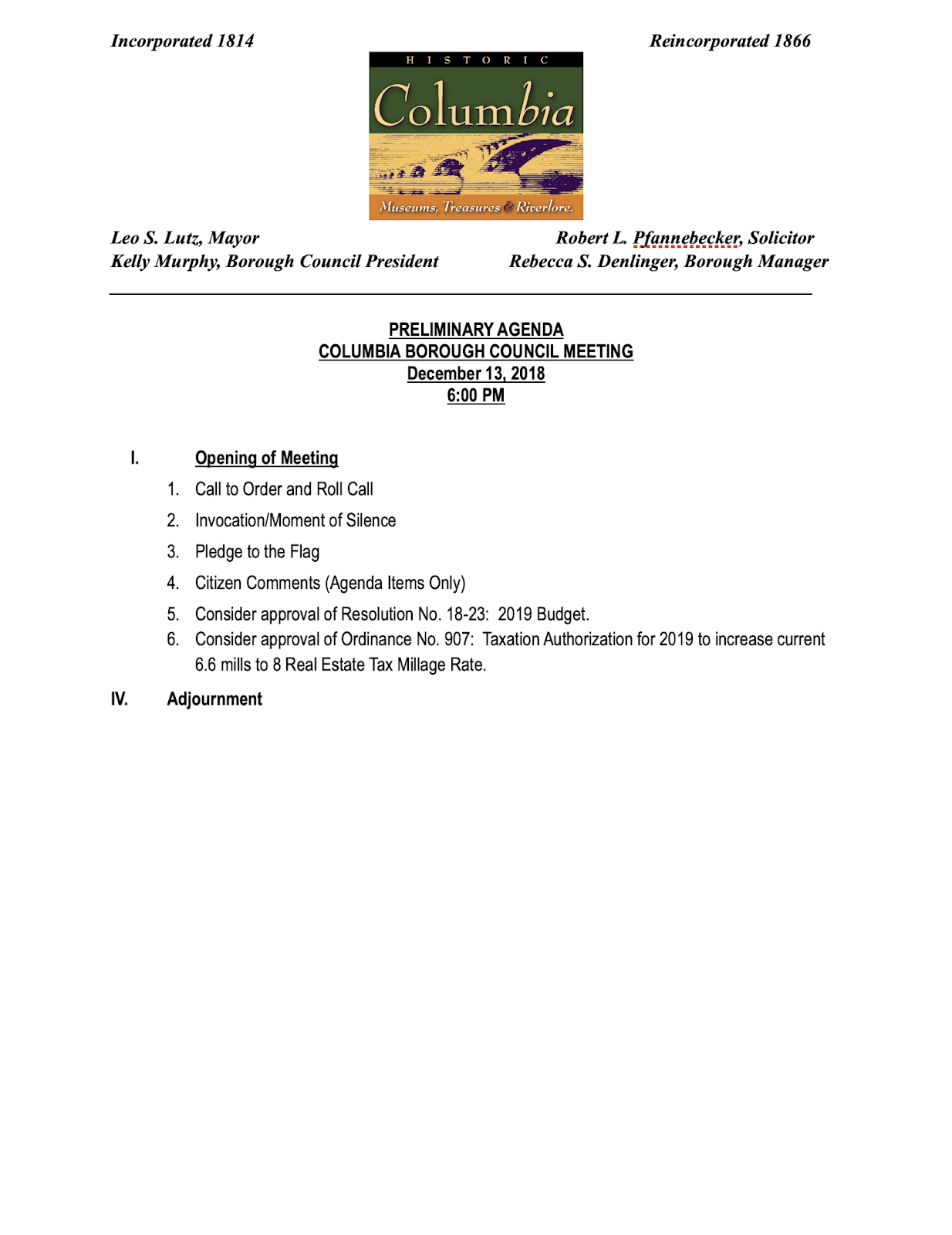
At Thursday’s meeting, Columbia Borough Council voted to approve the 2019 budget and to raise taxes.
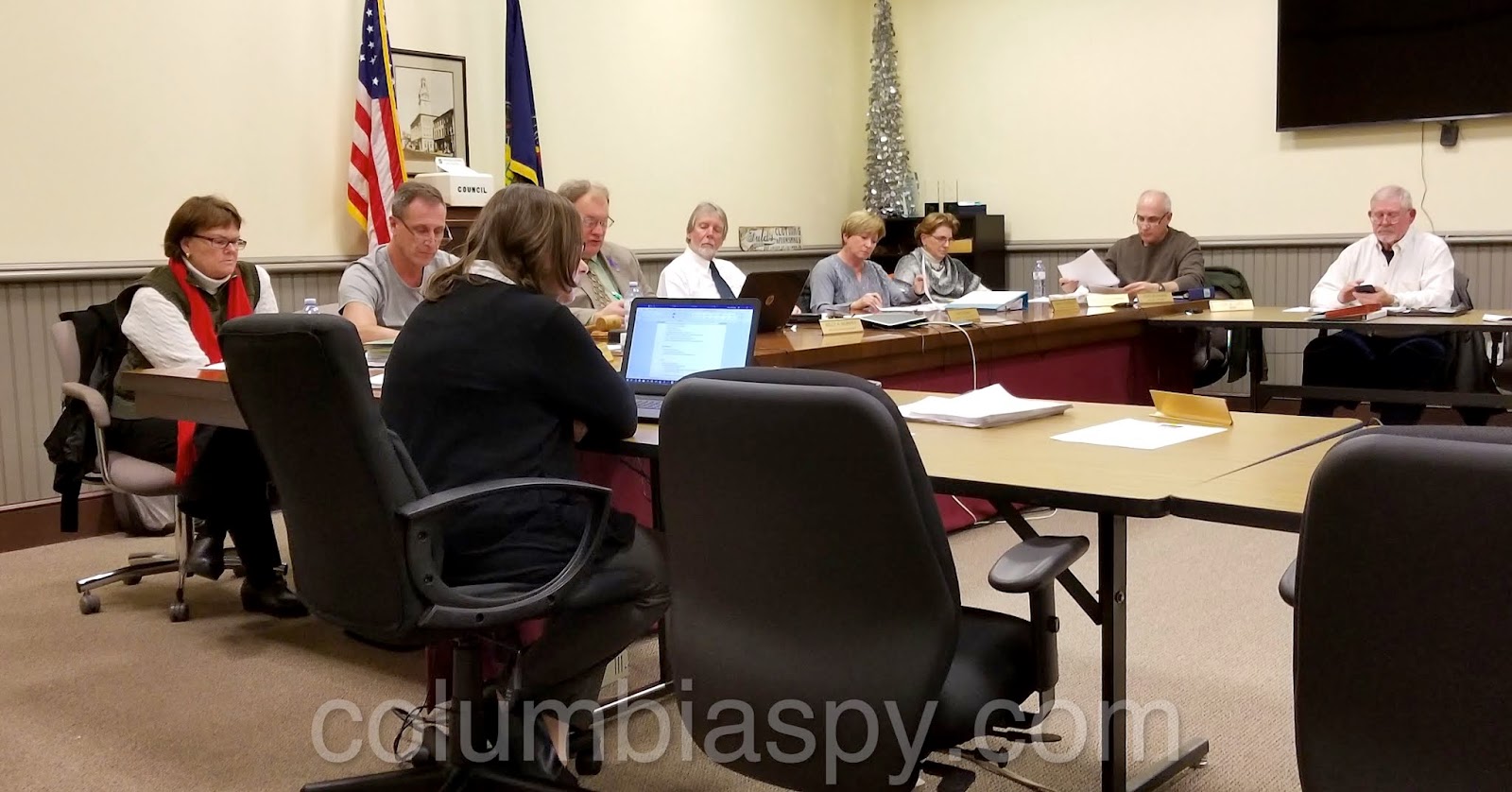
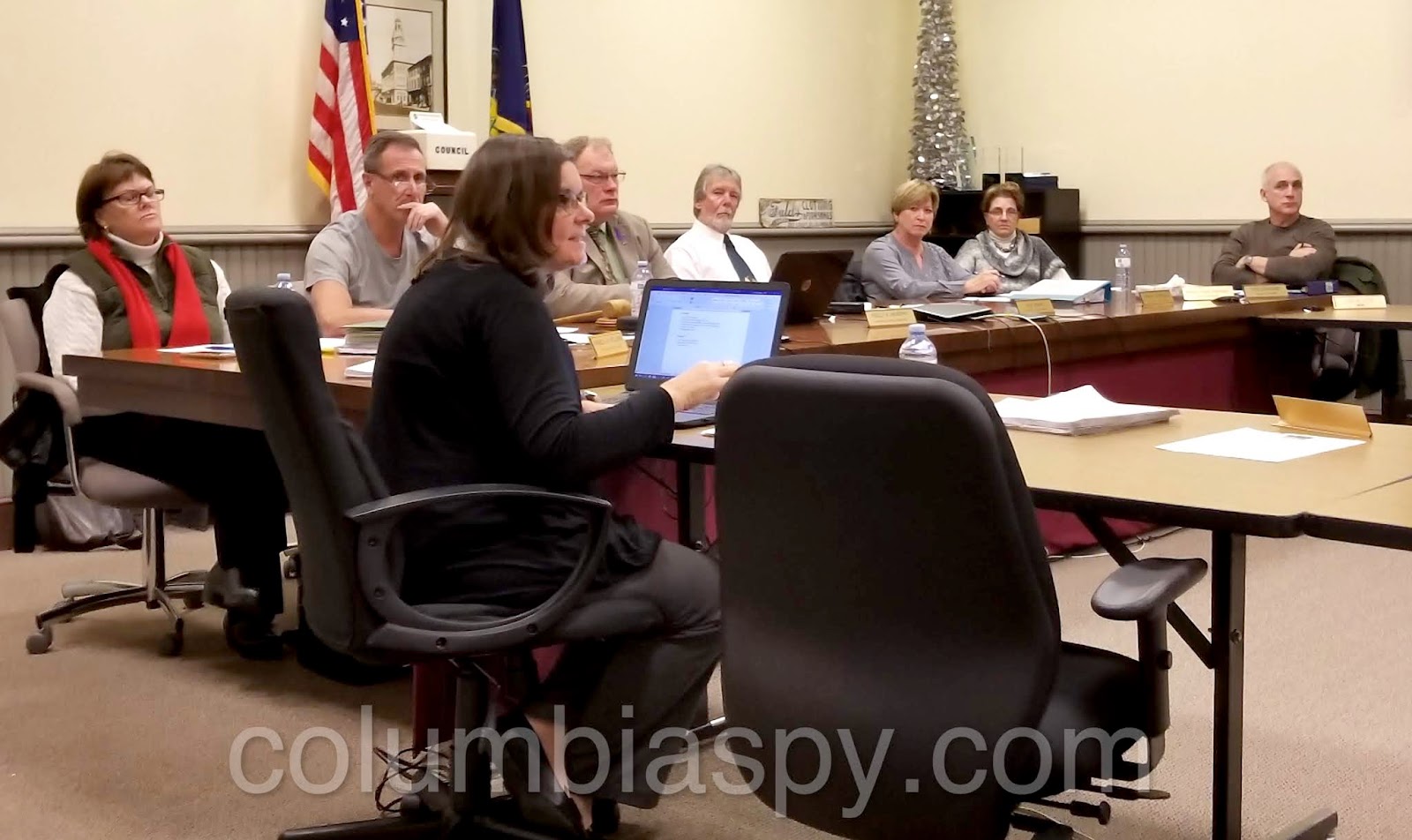
Just in time for Christmas, Columbia Borough Council presented taxpayers with a gift that will keep on taking: a tax hike. At Thursday’s special council meeting, council voted unanimously to pass the 2019 budget and to increase millage from 6.6 to 8 mills – an increase of 21.2%. Before the vote, several citizens spoke out against the increase, but council remained unmoved and presented a united front during the proceedings.
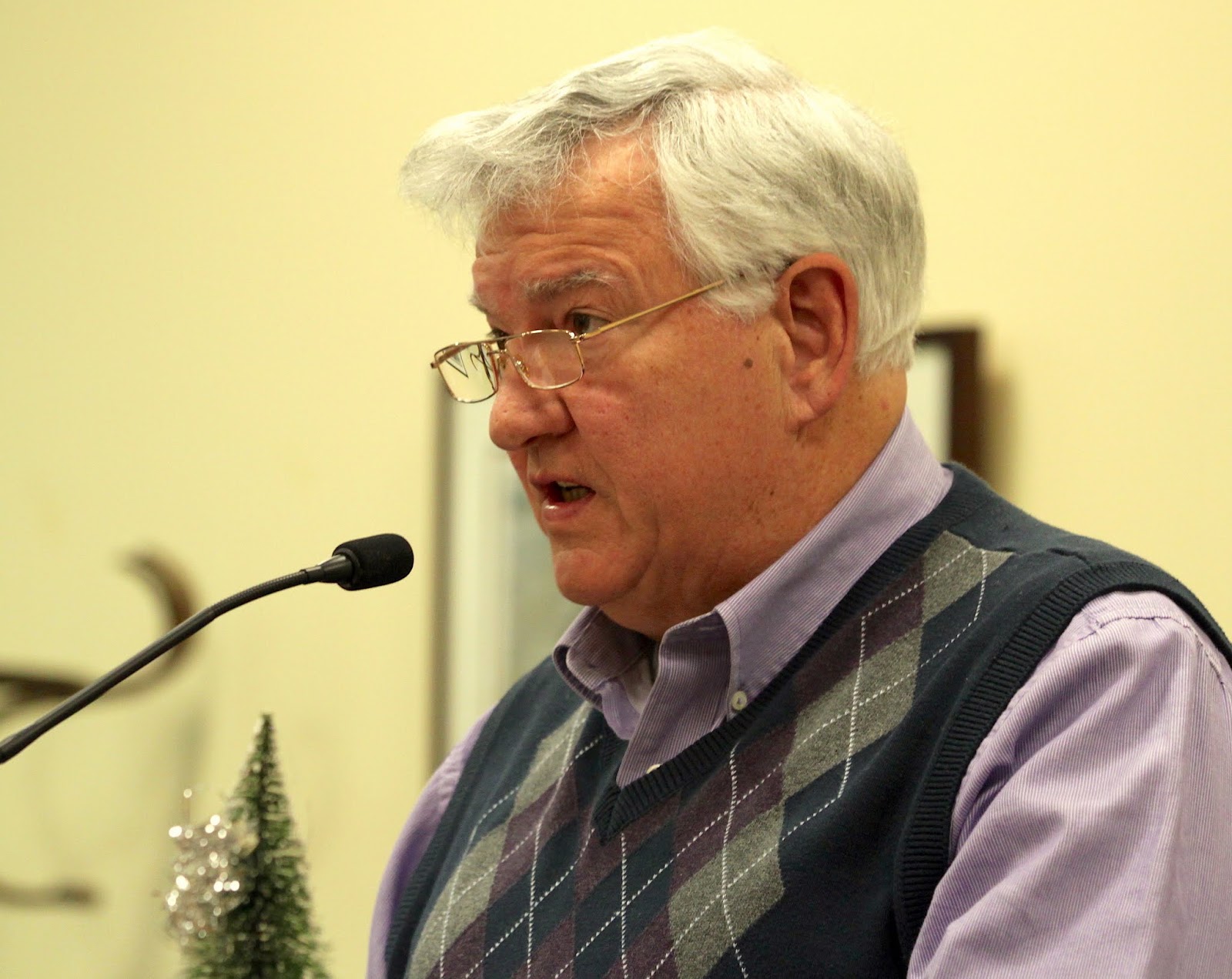
Meiskey: “I don’t know why council is so hell-bent on eroding the standard of living in Columbia Borough with this unjust, immoral, and in my opinion, illegal use of an ordinance and throwing over two mills of tax in the way of $800,000 to be loaned out to certain individuals.”
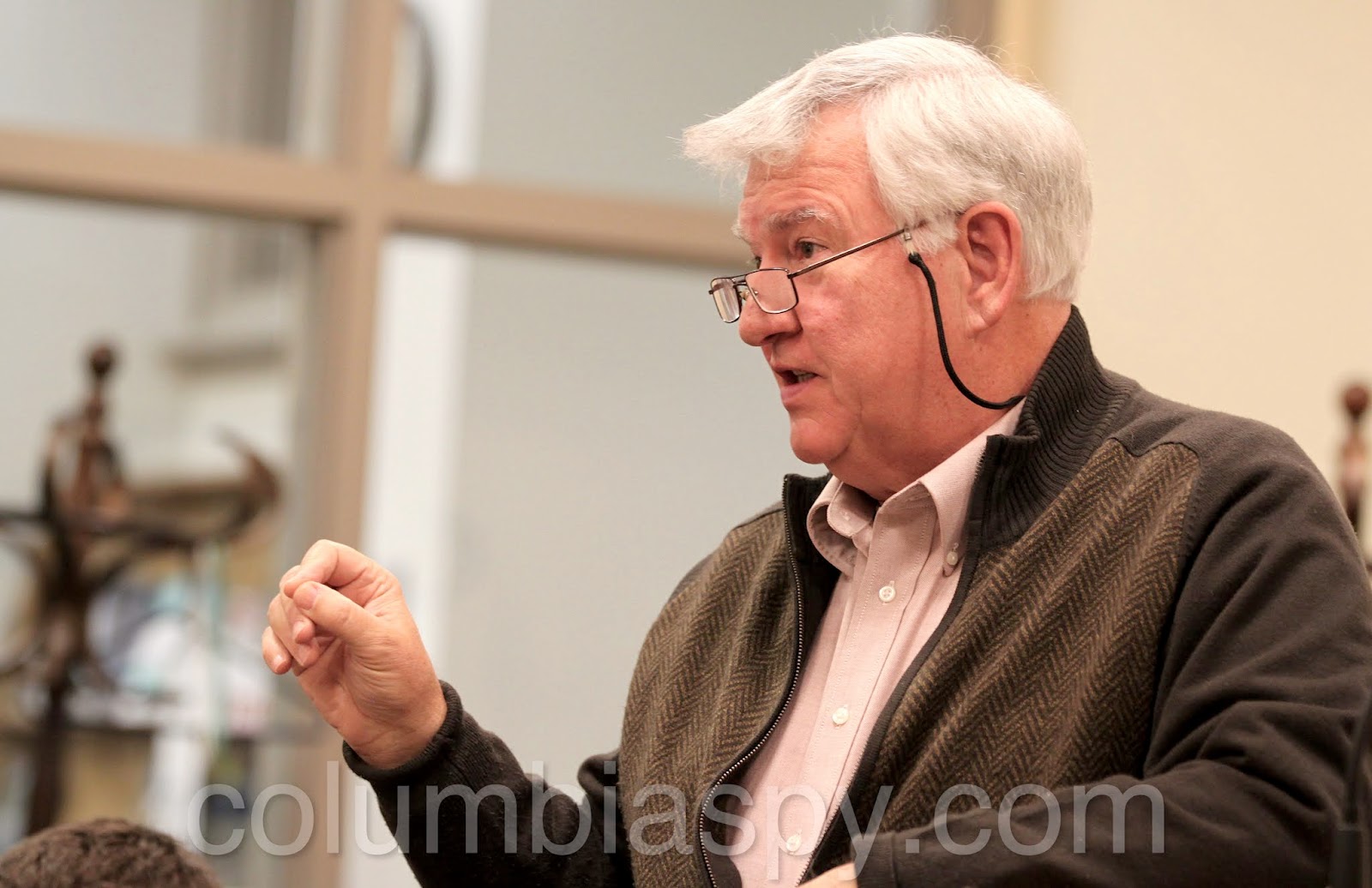
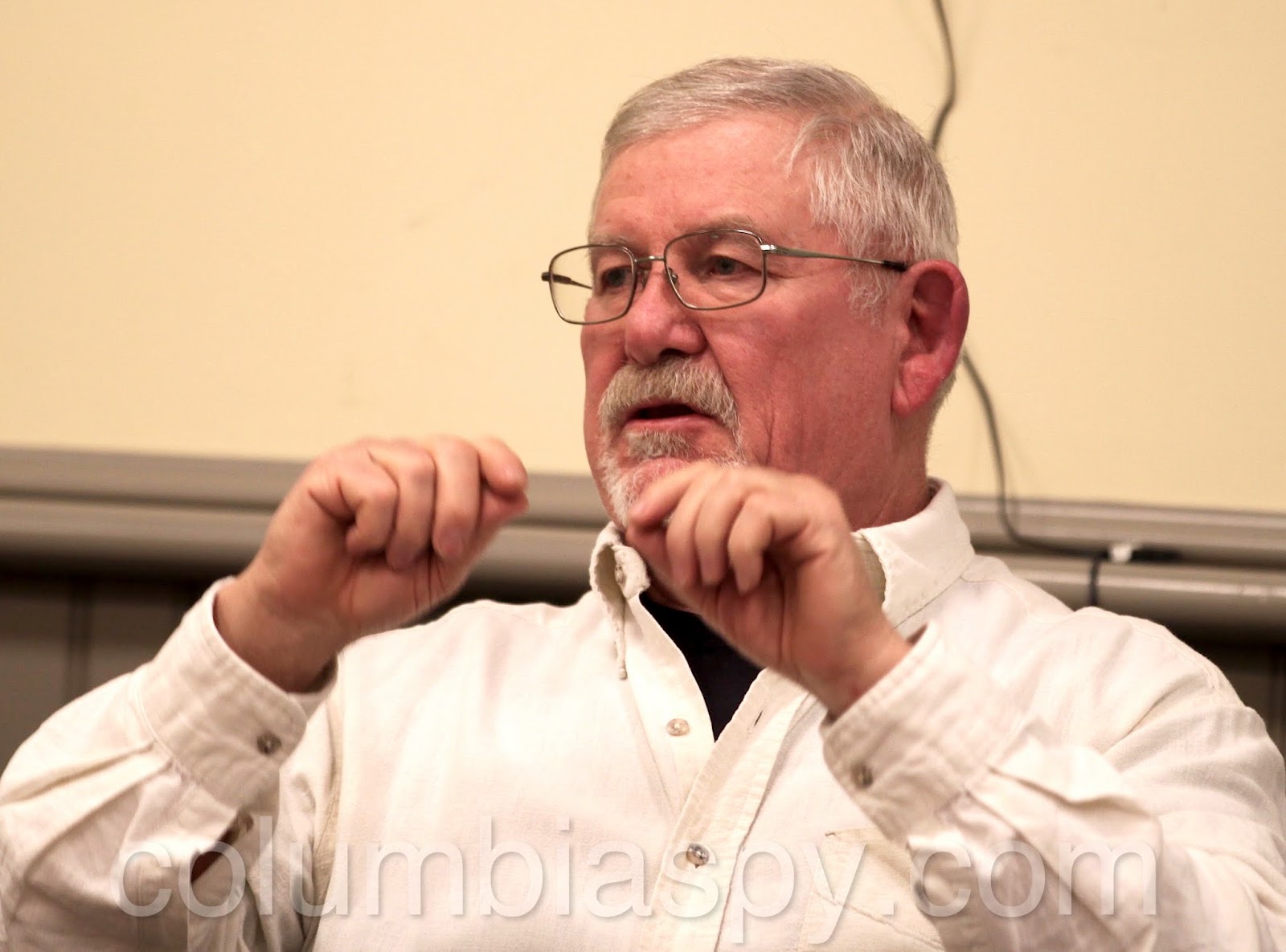
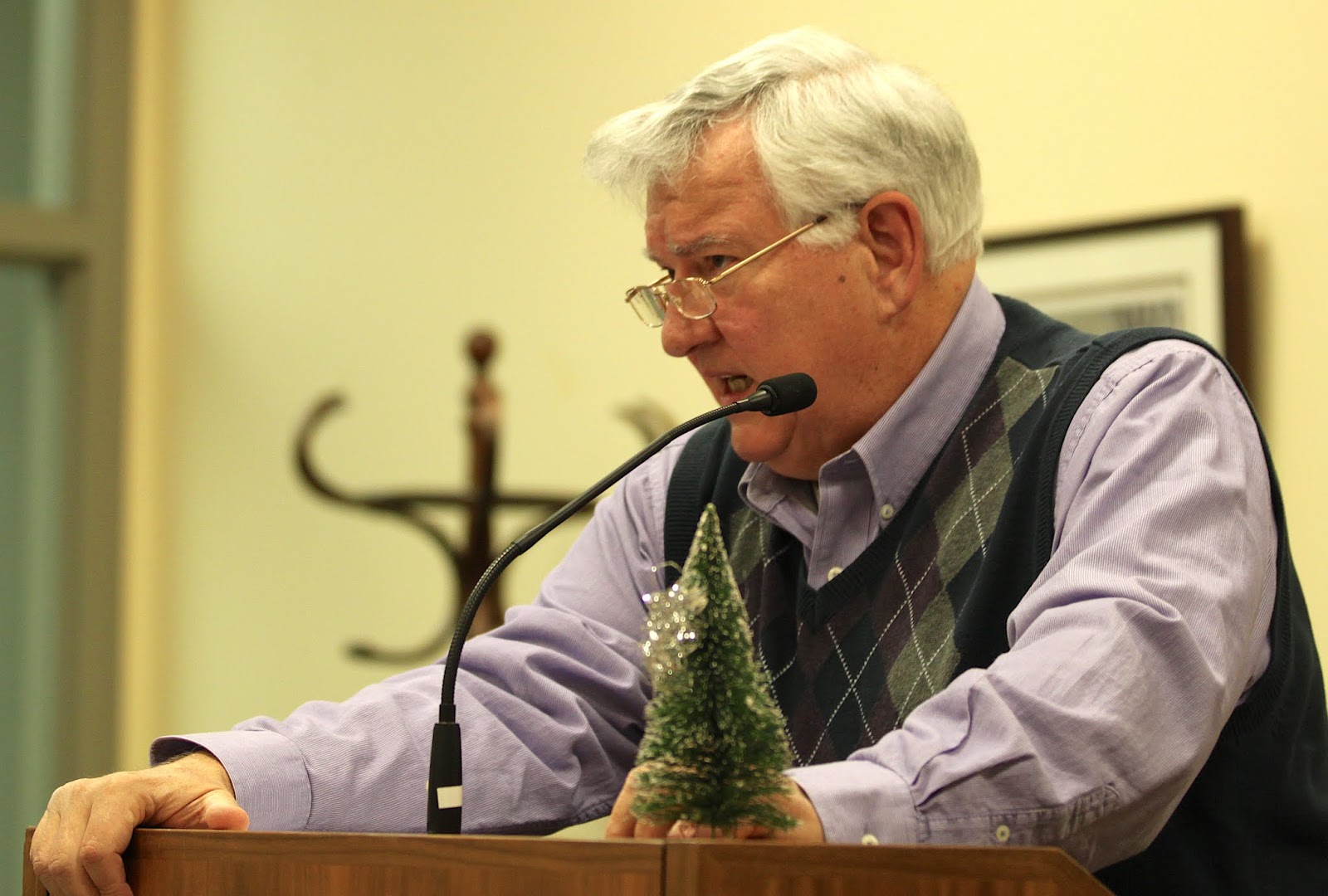
Former Borough Manager Norm Meiskey, a borough resident, spoke out against the increase, as he has done several times at recent meetings. He once again cited the borough’s revolving loan fund as a culprit driving the need for an increase. He told council the problem is not with revenue but with spending and urged members not to approve the increase.
“I don’t know why council is so hell-bent on eroding the standard of living in Columbia Borough with this unjust, immoral, and in my opinion, illegal use of an ordinance and throwing over two mills of tax in the way of $800,000 to be loaned out to certain individuals,” Meiskey said.
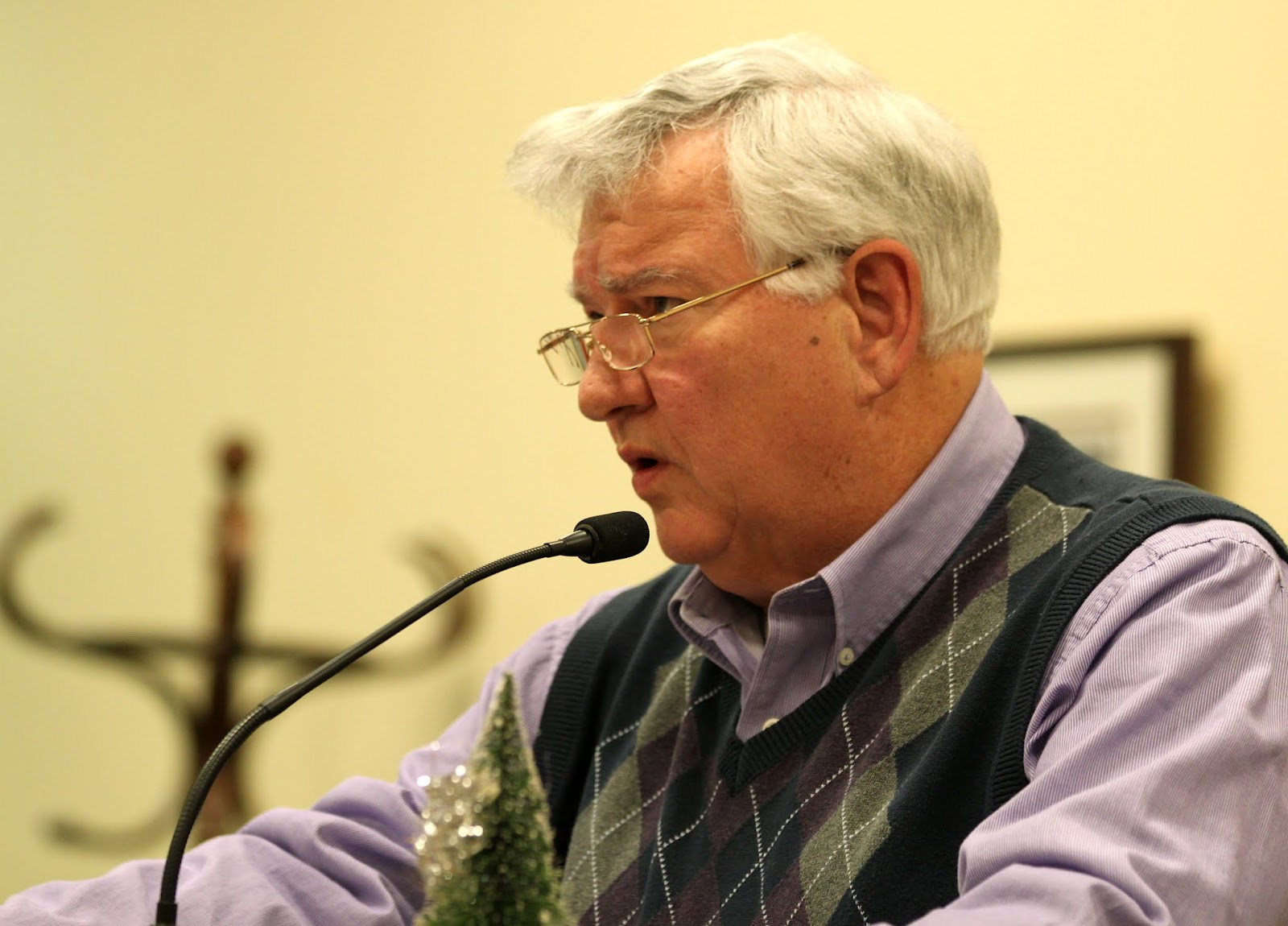
Meiskey: “You need to fix the problem. You have a spending problem. You need to realize it.”
Noting the borough’s $18.8 million in fund balances, Meiskey said “Ladies and gentlemen, you don’t have a revenue problem – you have a spending problem, and you need to fix it and not put on the taxpayers to allow the erosion of their standard of living because you can’t fix the problem. You need to fix the problem. You have a spending problem. You need to realize it.” He told council members that if they think there’s not a problem with spending, he would be glad to meet with them to show them. He told them they really need to rethink the increase before proceeding.
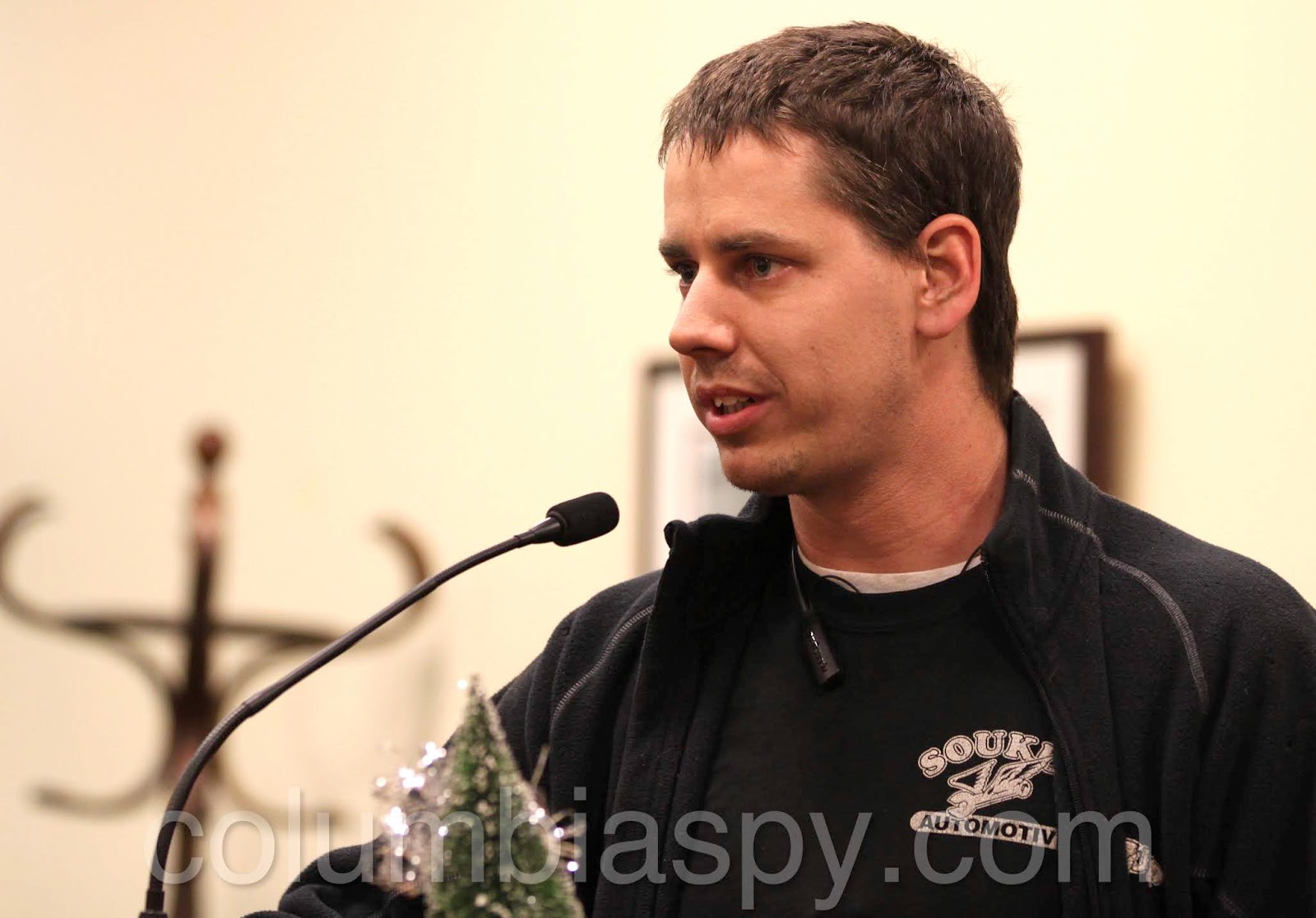
Doutrich: “Why does the council think they have to be in the banking business? Why would you want to loan our money out? Put it in the infrastructure, into the streets.”
Former councilman Frank Doutrich, a resident of Ironville Pike, questioned where the money came from for the $1.5 million revolving loan fund. Council President Kelly Murphy explained that it was from the borough’s general fund. Borough Manager Rebecca Denlinger said that only $300,000 from the fund has been advanced so far. “We only advance the funds to our third-party loan administrator as the loans come through the pipeline and get ready to go to closing, so at this time, only 300,000 has been advanced,” Denlinger said. “The remaining 1.2 is still sitting in fund balance essentially.” Denlinger added that an additional $800,000 has been budgeted to capitalize the loan fund but might not be used if loans are not applied for.
So far, only one loan has been fully processed: $250,000 for Cimarron Investments LLC. A second loan, for Eberly Myers LLC’s Locust Street apartment building project, was processed but did not go to closing.
Denlinger also mentioned the borough’s CHIHL program, the Columbia Housing Improvement and Homeownership loan program which is administered through LHOP, the Lancaster Housing Opportunity Partnership. One part of the program is for down payment assistance, and one is for home improvement projects, according to Denlinger. Murphy said the borough’s share for the fund is $150,000 and added that only one application was ever made for the fund but was not followed through on.
Doutrich asked, “Why does the council think they have to be in the banking business? Why would you want to loan our money out? Put it in the infrastructure, into the streets.” Murphy replied that in regard to CHIHL, the program is to help homeowners with assistance in closing costs and to encourage people to fix up their homes at a better interest rate than what banks offer. Doutrich asked what happens if the loan is not paid back, and Denlinger replied that the property would be “liened.”
Denlinger: “. . . we might not get paid back. There’s a risk involved, certainly.”
Doutrich then asked what happens if the people receiving funds from the revolving loan fund don’t pay back the loan. Denlinger replied, “We are typically in a junior position, so we could get paid back depending on what happens with the turnout of the loan, and we might not get paid back. There’s a risk involved, certainly.” Doutrich said, “I just don’t like that we put our citizens at risk.”
Wilkinson: “Let’s cut spending. How about that? Let’s spend less so we don’t need as much of an increase.”
Thomas Wilkinson of North Second Street said, “I don’t agree with you guys treating the town like it’s a business.” He said it’s okay if council spends a little bit of money to brighten up the town but he is not favor of big spending. “I would say most townspeople don’t agree with that kind of spending. You’re coming out of our pocketbooks. It’s outrageous,” Wilkinson said. “Let’s cut spending. How about that? Let’s spend less so we don’t need as much of an increase.”
Lutz: “Can someone speak to this $18 million? I’d like to know what it is, because I can’t find it.”
Mayor Leo Lutz then questioned where the $18 million figure came from that Meiskey alluded to. “Can someone speak to this $18 million? I’d like to know what it is, because I can’t find it,” Lutz said. Denlinger said the general obligation bond has $5.8 million left in it to spend. In response, Meiskey got up and placed budget papers on the table in front of Lutz and pointed to them.
After some pontificating by councillors, council voted unanimously to approve Resolution No. 18-23 adopting the 2019 budget, and to approve Ordinance No. 907 increasing the 2019 real estate tax millage rate to 8 mills.
Columbia News, Views & Reviews posted a link to the budget document HERE.








 Columbia Spy