

Year: 2023
Some things never really change
Columbia author and journalist wrote 44 novels- and more!

[Public Domain Photo]
Did you know a Columbia author and journalist wrote 44 novels and other works? It’s true!
Reginald Wright Kauffman was a versatile professional who wore several hats as an author, editor, and journalist.
Kauffman was born on South Second Street in Columbia on September 8, 1877. After attending Cherry Street School and other area schools, he was accepted at Harvard University, where he wrote his first novel, “Jarvis of Harvard” in 1897.
After Harvard, Kauffman reported for the Philadelphia North American and the Saturday Evening Post and later joined the staff at McClure’s Magazine in New York City.
In 1912, he represented the United States at the first Congress of Men’s Societies for Women’s Suffrage.
During World War I, he served as a war correspondent for the North American Newspaper Alliance in France and Belgium and became the only accredited correspondent in French waters with the US Navy. (Kauffman disagreed with the military’s censorship of journalism.)
Following the war, Kauffman worked with the Republican Party and served as a peace delegate and a Red Cross member. He was an editorial columnist for the Washington Post and the Boston Transcript.
During his career, he also oversaw the New York Herald Tribune’s news bureau at the League of Nations, and later became editor of the Bangor (Maine) Daily News.
In Columbia, he supported the local arts by advocating for the establishment of a theater and promoting the work of local artists, including Charles Demuth, who painted several portraits of him.
Kauffman authored 44 novels, some of which are available from Amazon, and some contain references to Columbia. He also wrote screenplays for nine films based on his works. His novel The House of Bondage, which examined prostitution, was made into a 1914 film.

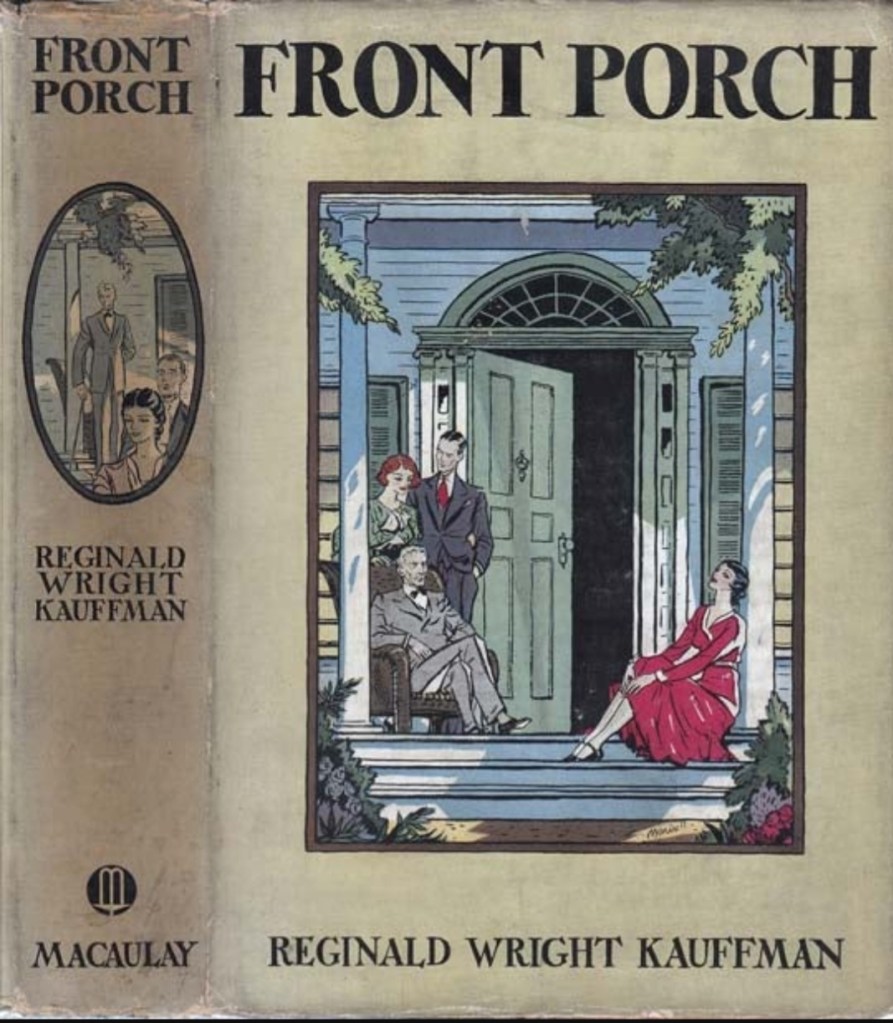
Kauffman’s writing also focused on social trends and marginalized groups such as African Americans and immigrants. Throughout his life, Kauffman remained devoted to the cause of social justice and a range of progressive issues, including women’s suffrage and workers’ rights in addition to political reform.
After a renowned and prolific career, Kauffman retired in the 1950s. He died in 1959 and is buried in Columbia’s Mount Bethel Cemetery.

[Sources: “Novelist of social reform had roots in Columbia“, “Kauffman, Reginald Wright, 1877-1959, Columbia Historic Preservation Society]
Resident covers swastika with flowers


Congratulations Class of ’23

Congratulations Columbia Grads!
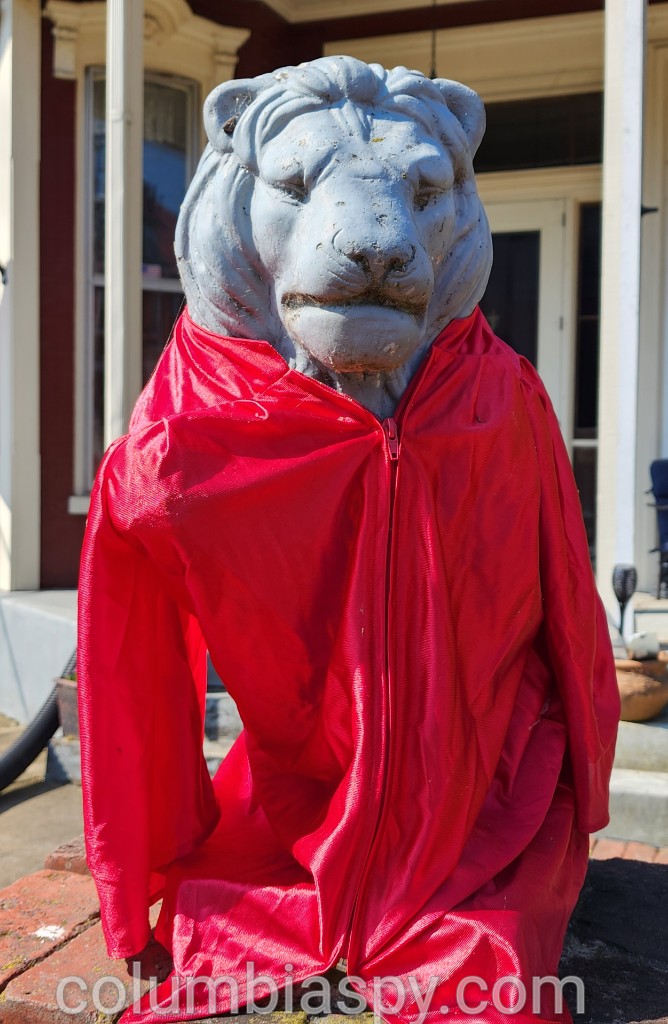
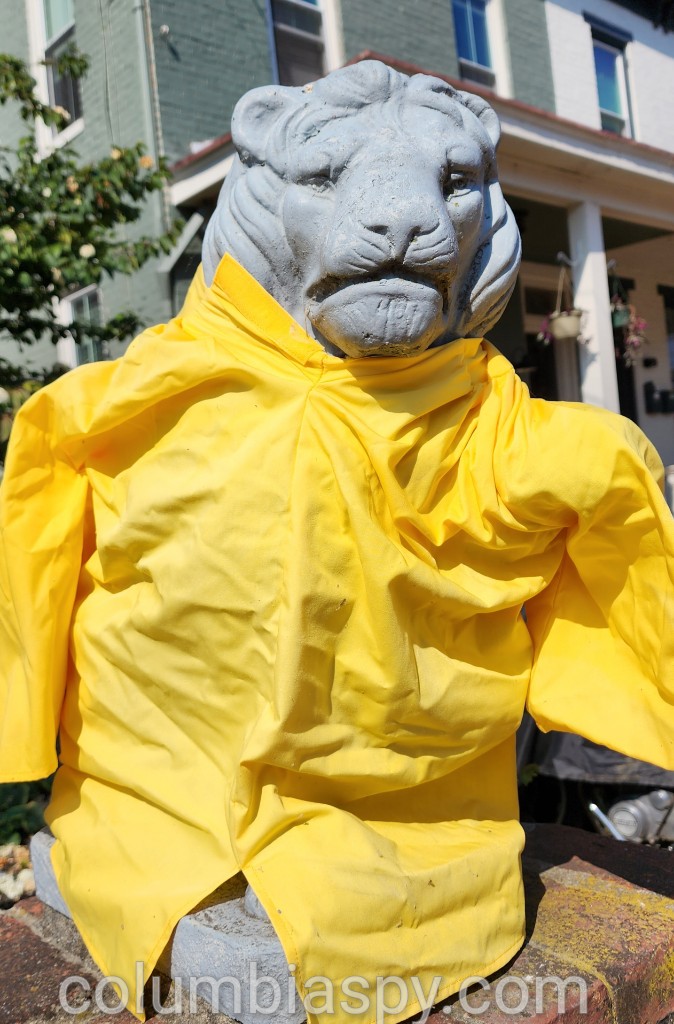
The wheels are back!
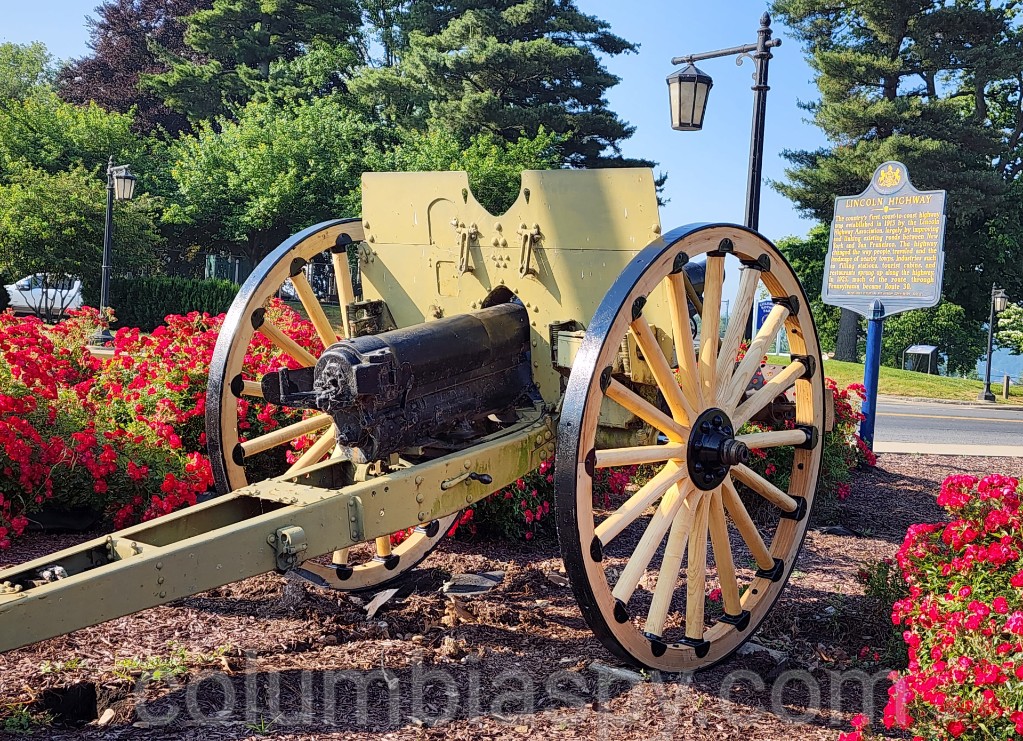
The wheels on the cannon at the Veterans Memorial Bridge plaza are back. The backstory is here:
https://columbiapa-17https://columbiapa-17512.blogspot.com/2022/05/columbia-man-to-restore-bridge-plaza.html?m=1https://columbiapa-17512.blogspot.com/2022/05/columbia-man-to-restore-bridge-plaza.html?m=1512.blogspot.com/2022/05/columbia-man-to-restore-bridge-plaza.html?m=1
What’s up with June?
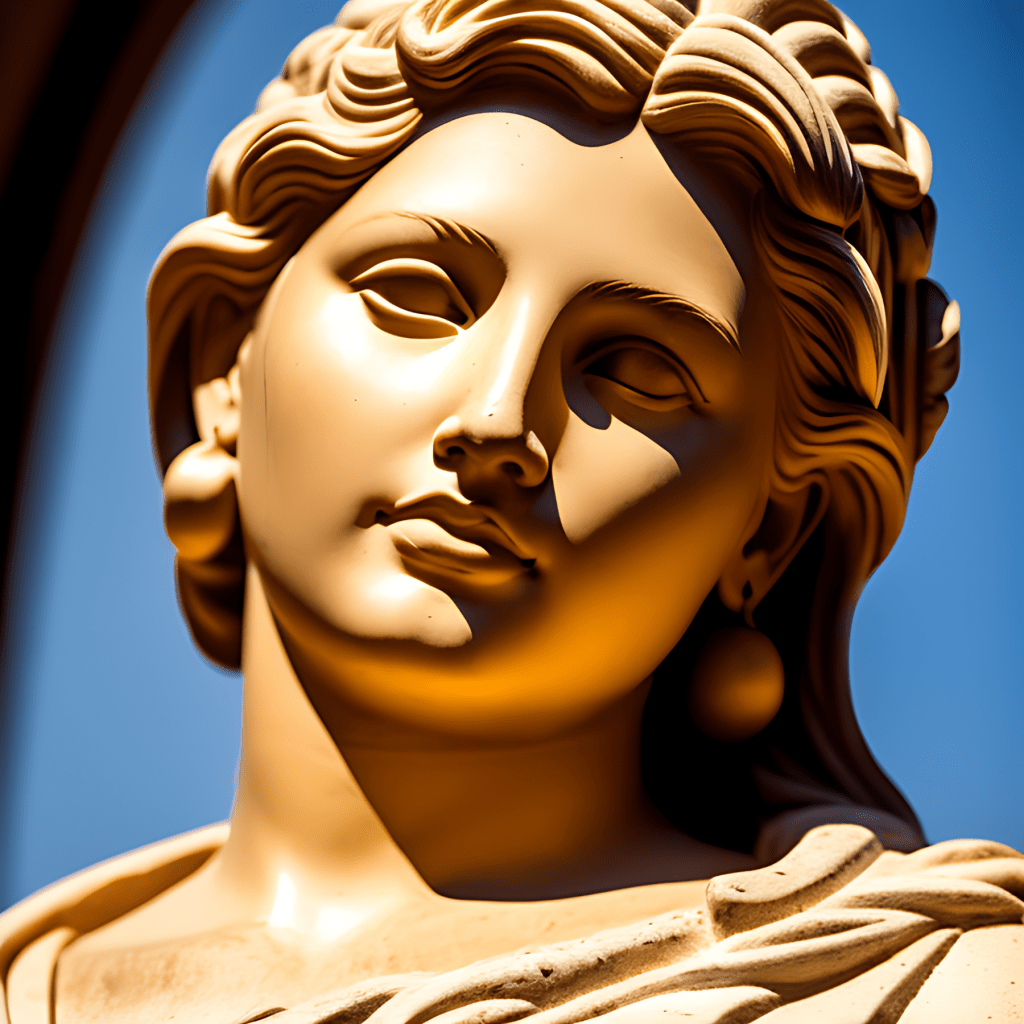
June is named after the Roman goddess Juno, the goddess of marriage. The month signifies the midpoint of the year, and is a time when people from all over the globe look forward to warmer weather, longer days, and an array of cultural and religious festivities.
One of the most notable events taking place in June is the summer solstice, which occurs around June 21st in the Northern Hemisphere. This marks the longest day of the year, and is celebrated in many cultures as a time of fresh beginnings and renewal. Individuals in some parts of the world spend the day watching the sunrise or sunset, while others arrange festivals or incorporate traditional rituals to mark the occasion.
Celebrated widely in numerous countries on the third Sunday of June, Father’s Day is often viewed as another noteworthy event of the month. People take out the time to honor and appreciate their fathers or father figures, and many give gifts or spend quality time with them as a token of their love and appreciation.
June is also a favored month for weddings, as the weather is mostly sunny and warm in various regions of the world. Many couples choose to host their wedding outdoors, making the most of the beautiful weather and natural ambiance.
In the United States, June is recognized as Pride Month, an opportunity for the LGBTQ+ community and their supporters to unite and rejoice in diversity, promote equality, and raise awareness of LGBTQ+ issues. Pride activities frequently consist of parades, festivals, and other initiatives aimed at celebrating LGBTQ+ culture and history.
Several parts of the world celebrate religious observances and festivals during June as well. For instance, Muslims around the globe participate in Eid al-Fitr, marking the end of Ramadan, a month of fasting and spiritual introspection. Christians celebrate Pentecost, which commemorates the descent of the Holy Spirit upon the apostles, while Jews observe Shavuot, marking the giving of the Torah at Mount Sinai.
Overall, June is a month that presents various celebrations and festivities, reflecting the diverse cultures and traditions that enrich our world. Regardless of whether you are commemorating a personal accomplishment, participating in a cultural function, or enjoying the warm weather and extended days, June is an occasion to embrace life and all its prospects.
Habitat for Humanity has volunteer opportunities
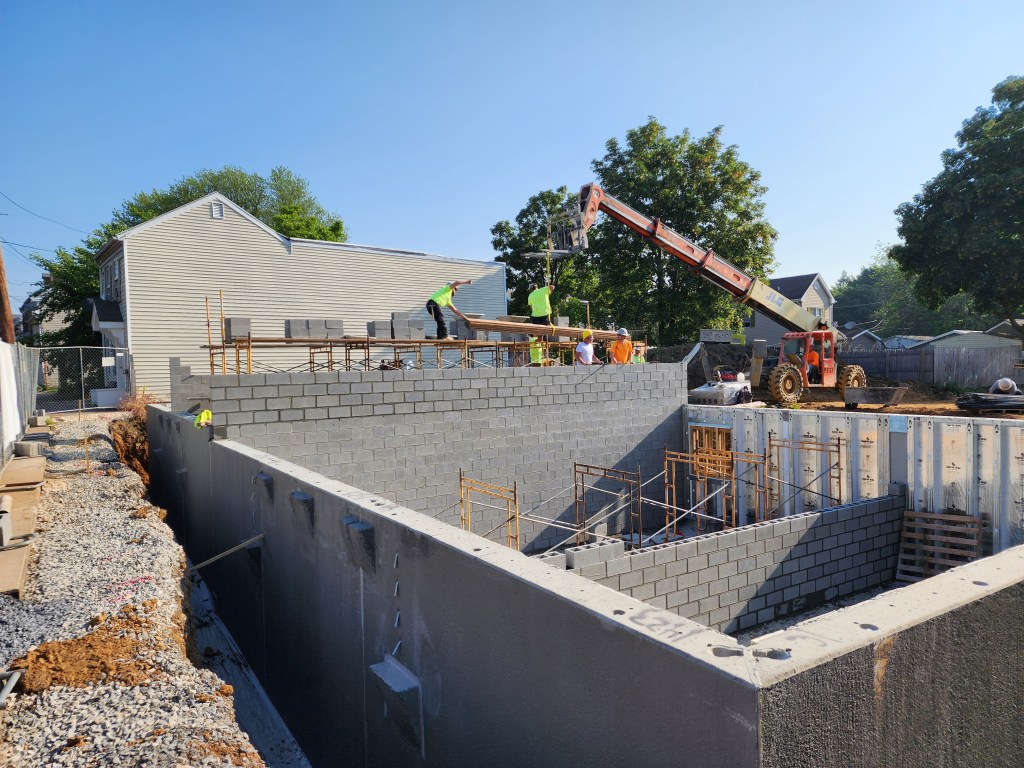
The walls are going up
Wednesday morning at the Habitat For Humanity project on the 200 block of South 5th Street

 Columbia Spy